
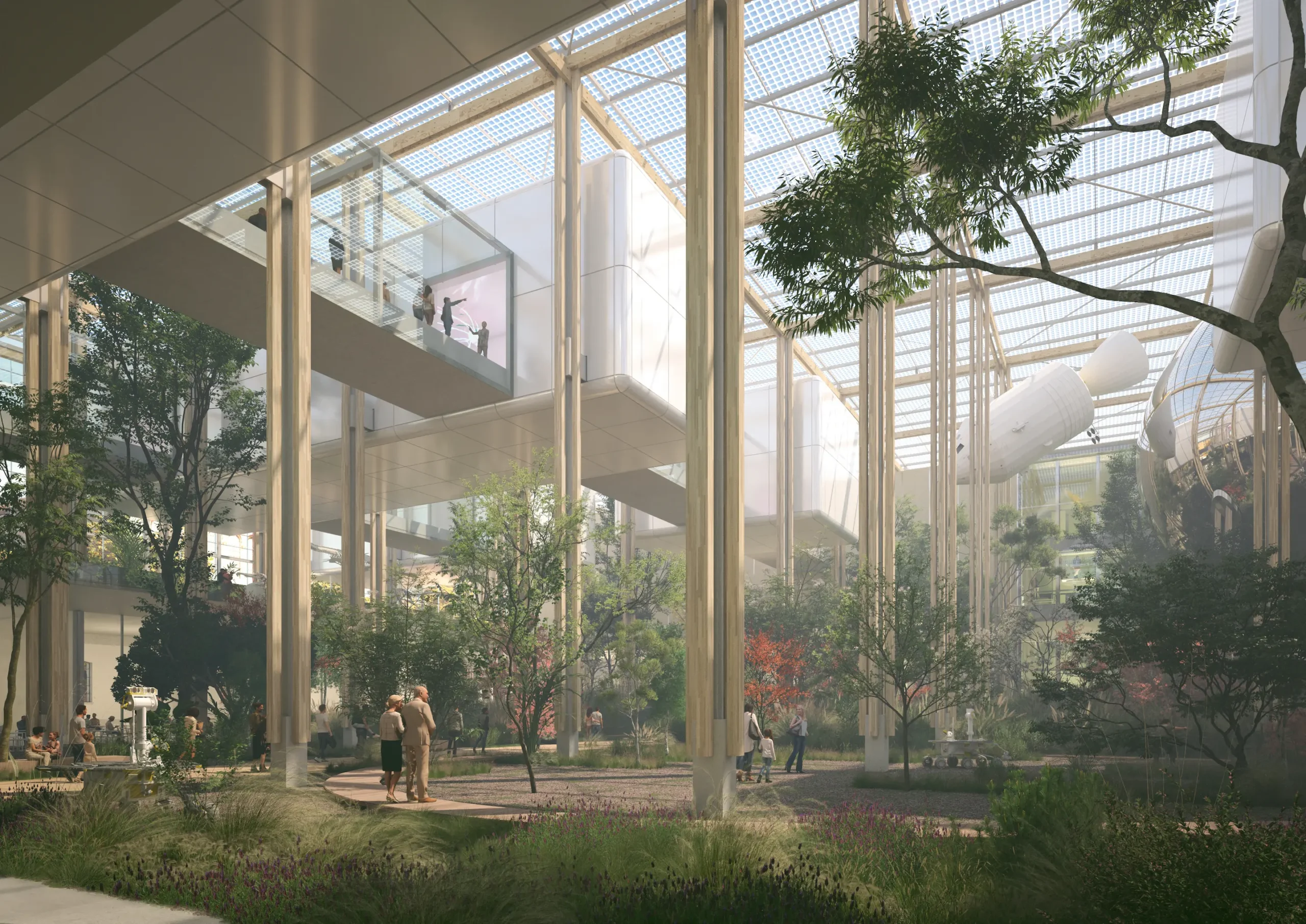
ADAT Studio, the Italy-based architecture firm founded by architects Antonio Atripaldi and Andrea Debilio, is setting their sights on the development of the future Museum of Science of Rome (Museo della Scienza di Roma). The firm’s proposed “Science Forest” will open on Via Guido Reni in Rome’s Flaminio district in 2027, with construction beginning in 2025.
“We are thrilled to be commissioned to design and manifest what is undoubtedly one of the most important cultural buildings and urban projects in Rome in the last decade,” says ADAT Studio Partner Andrea Debilio. “We believe that ADAT Studio’’s acute attention to thought-provoking design and the championing of 21st-century environmental measures will result in a museum that can truly elevate educational and cultural experiences in Rome.”
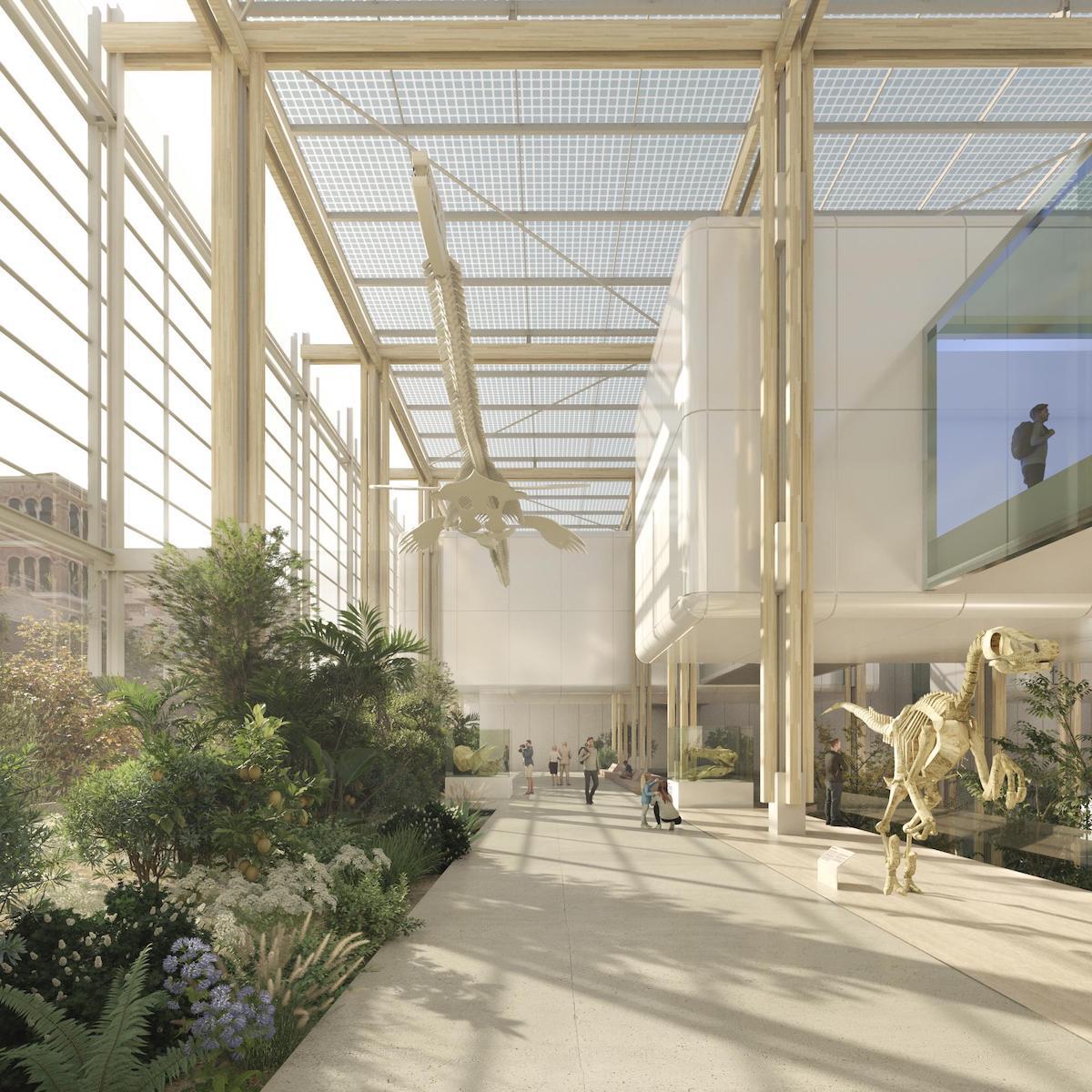
Having placed first in a competition of 70 entries issued by the Rome Municipality, ADAT Studio’s presentation was approved by a jury consisting of the world’s most prestigious architects and industry experts – including Daniel Libeskind, Benedetta Tagliabue, Fokke Moerel, Alessandro D’Onofrio. ADAT Studio’s architectural vision for the project is based around an open-air building that will redefine the traditional museum experience by creating a public and shared space that focuses on the relationship between history, humanity and nature and how these subjects engage in constant dialogue. The project is part of the larger regeneration of the former Electronic and Precision Materials Military Plant on Via Guido Reni by the Rome Municipality.
“It is a true honor to have won a rigorous and competitive tender with Daniel Libeskind, one of the world’s greatest and most influential architects, on the jury,” says Antonio Atripaldi, Partner of ADAT Studio. “Beyond our architectural vision, we aim to catapult our home city of Rome into the spotlight as a world leader and innovator in contemporary cultural spaces and experiences.”
Science Forest will become a hub for citizens and researchers, and a new open community that surpasses conventional boundaries between public and private, natural and artificial, past and future. The complex blends into the urban fabric and future developments, connecting with neighboring projects such as Flaminio Urban Project and the new MAXXI – Green MAXXI and MAXXI hub. The design will preserve the pre-existing walls of Rome’s SMMEP (Military Establishment of Precision Electronic Materials), exemplifying a unique approach to adaptive use architecture. Simultaneously, the interior of the building defines a new public urban park merging with the adjacent planned park area.
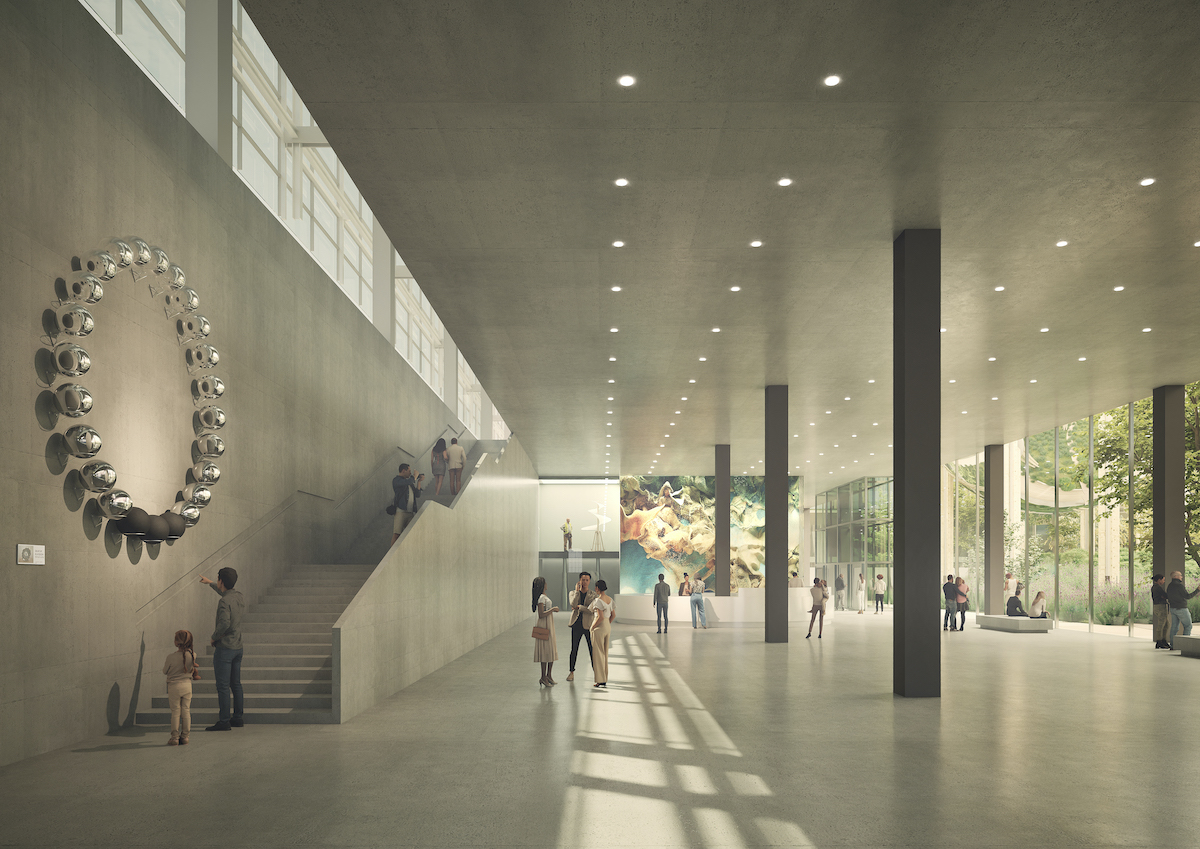
Spaces on the ground floor will be accessible to all visitors, and will feature a double-height foyer, a cafeteria, a bookshop and a public restaurant. Along with the urban forest that opens up to the city, these areas form a ‘diffuse gallery’ for hosting exhibitions, events and science-related meetings.
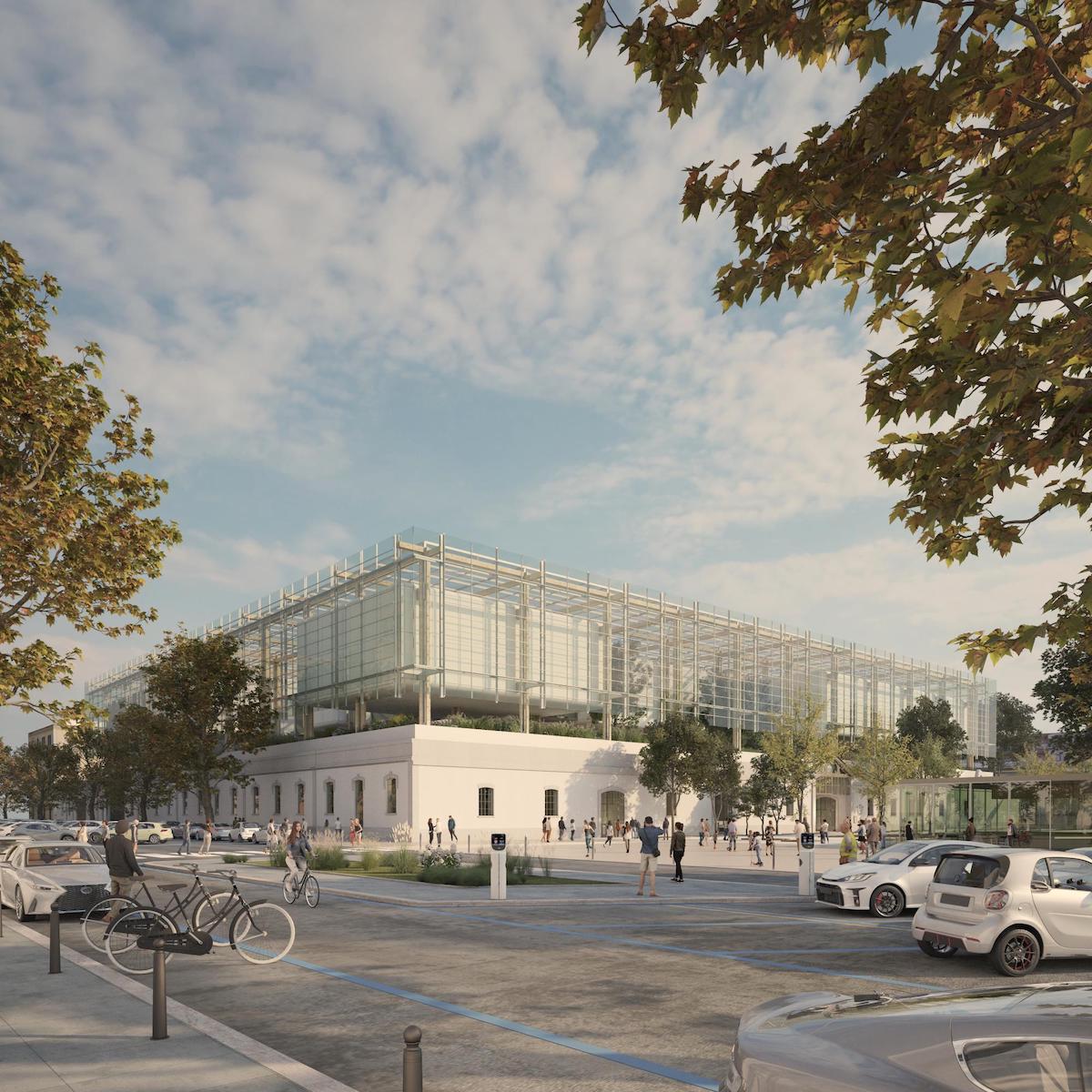
The building is protected by a semi-transparent, open skin that allows natural ventilation and enhances the chimney effect. The roof and the south elevation are covered with PV panels, ensuring the mass production of energy for the building. Conceived as a passive bioclimatic box, the museum offers visitors an experience with plant communities in a new ecosystem. The architecture and landscape arise from a holistic methodology, enhancing the biological interactions with flora, fauna, and other natural organisms. The project aims to attain a high level of certification according to LEED® and WELL® protocols to guarantee optimal comfort conditions and reduce energy consumption.
Science Forest is a sustainable project that extends beyond environmental considerations. Aligned with the UN Sustainable Development Goals (SDGs) and the “DNSH” principle, it addresses environmental, institutional, and socio-economic challenges, integrating climate change mitigation solutions with a focus on reducing the carbon footprint. Design choices encompass conserving the existing façade, using polycarbonate panels for roofing, adopting lightweight facades, and employing sustainable materials like Glulam wood. These choices aim at an 80% reduction in embodied carbon.
Like what you see? Get it first with a subscription to aspire design and home magazine.