
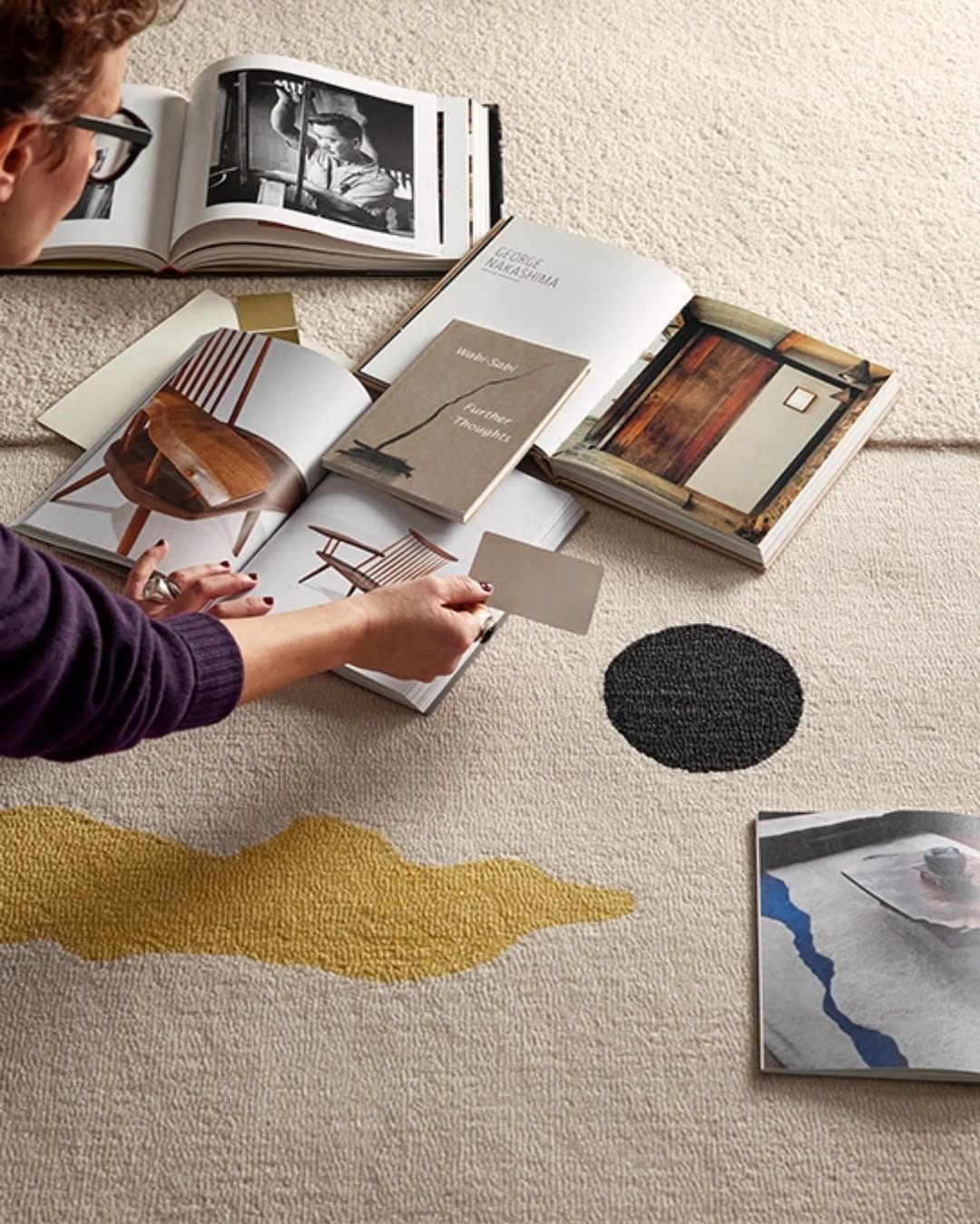
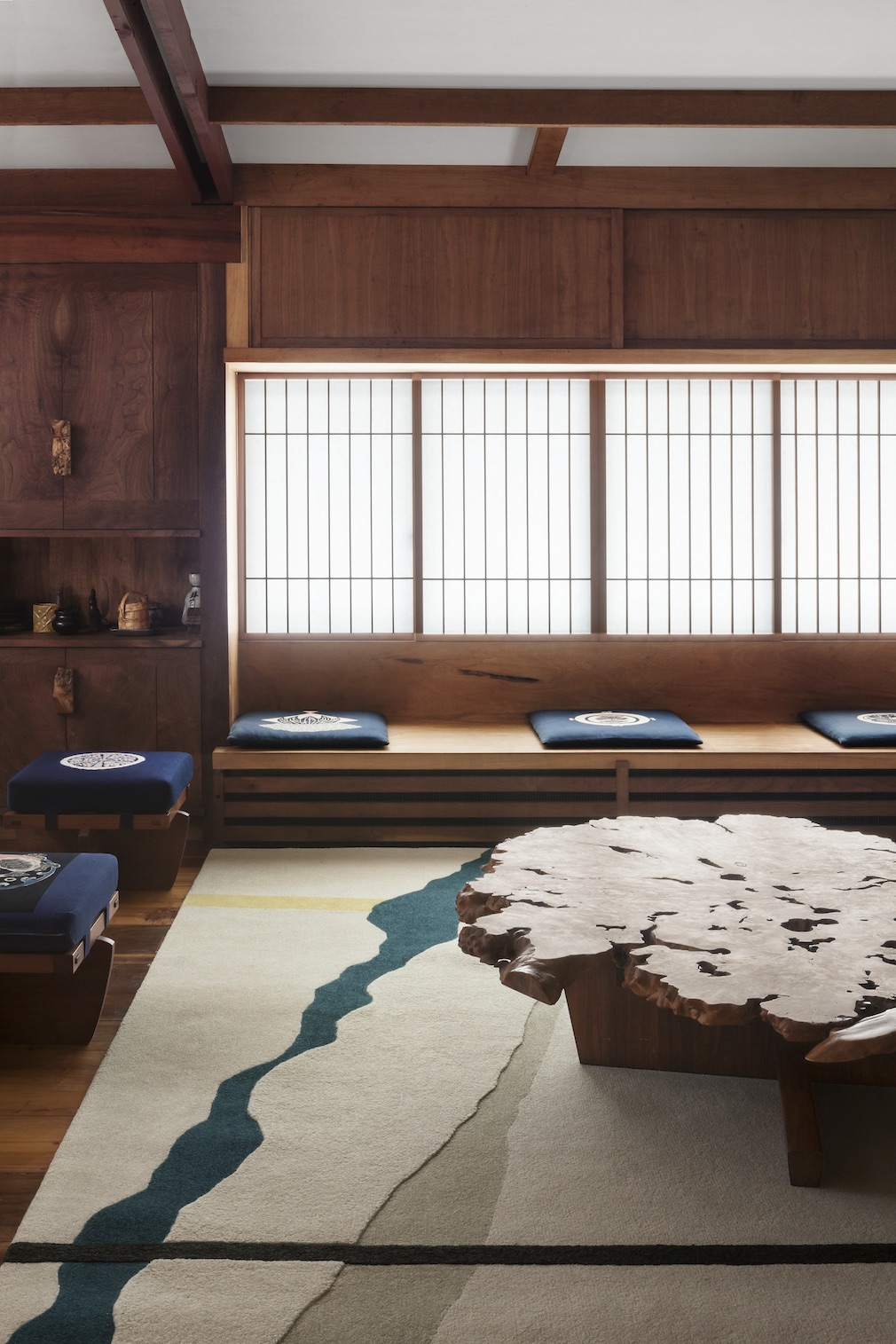
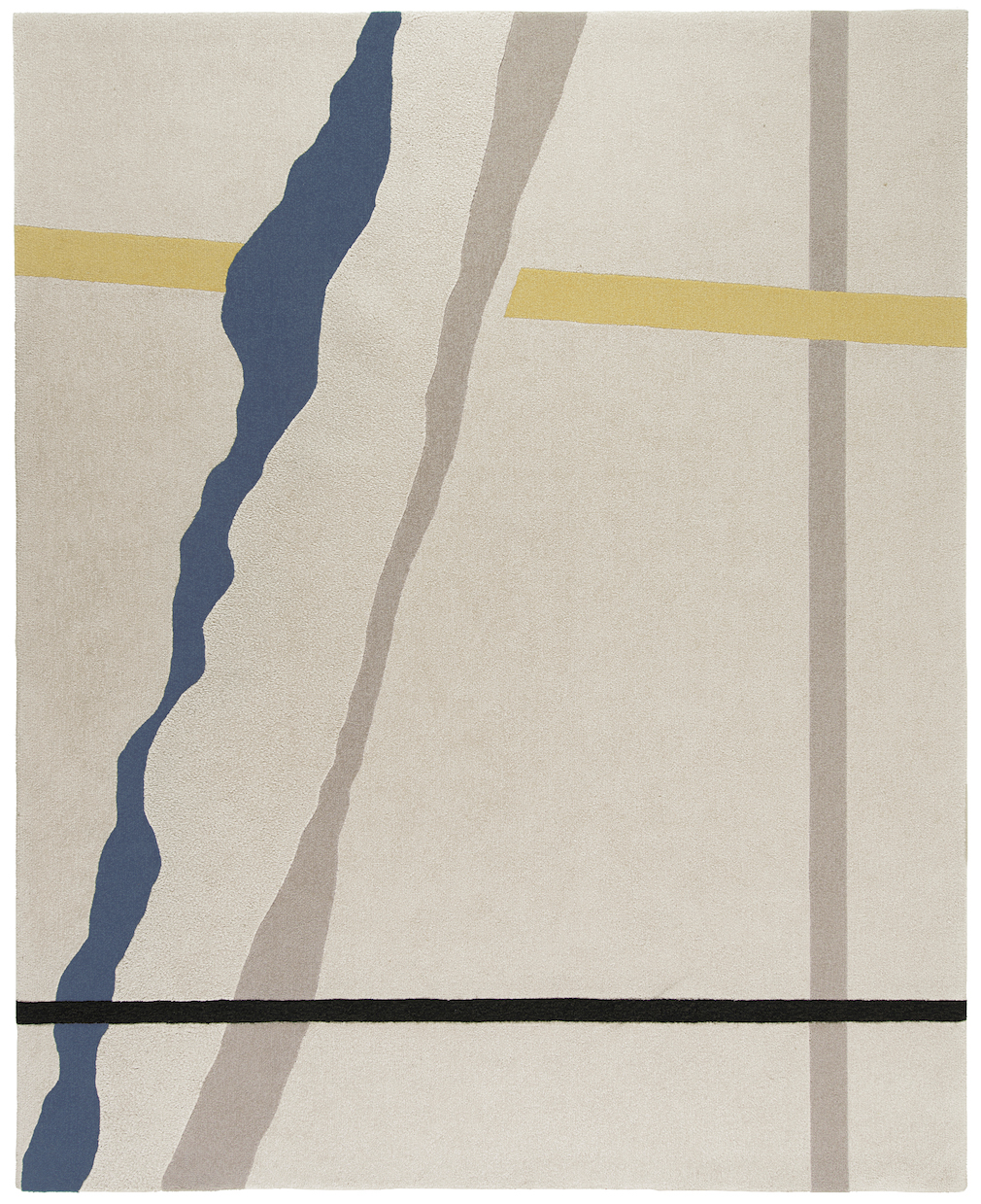
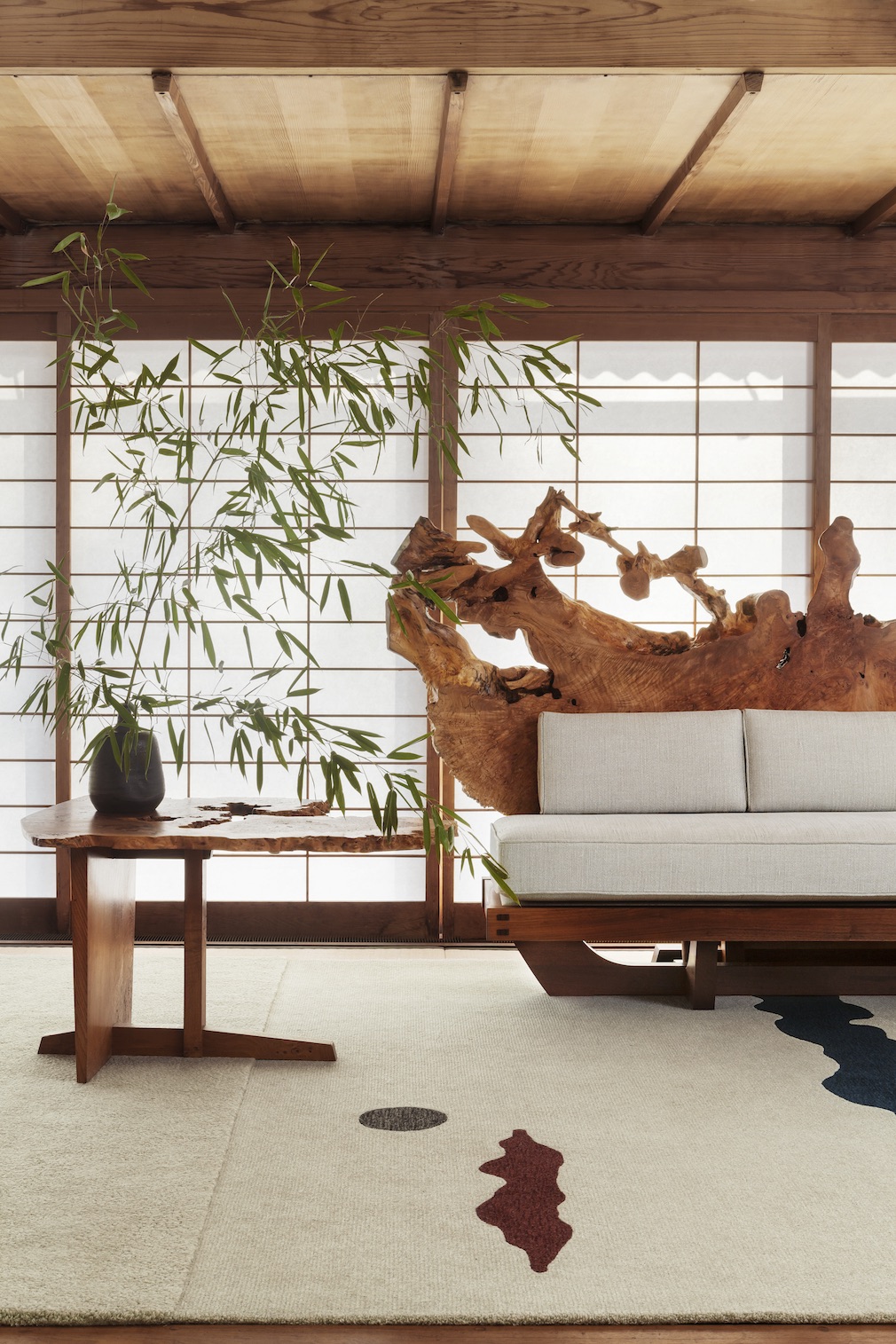
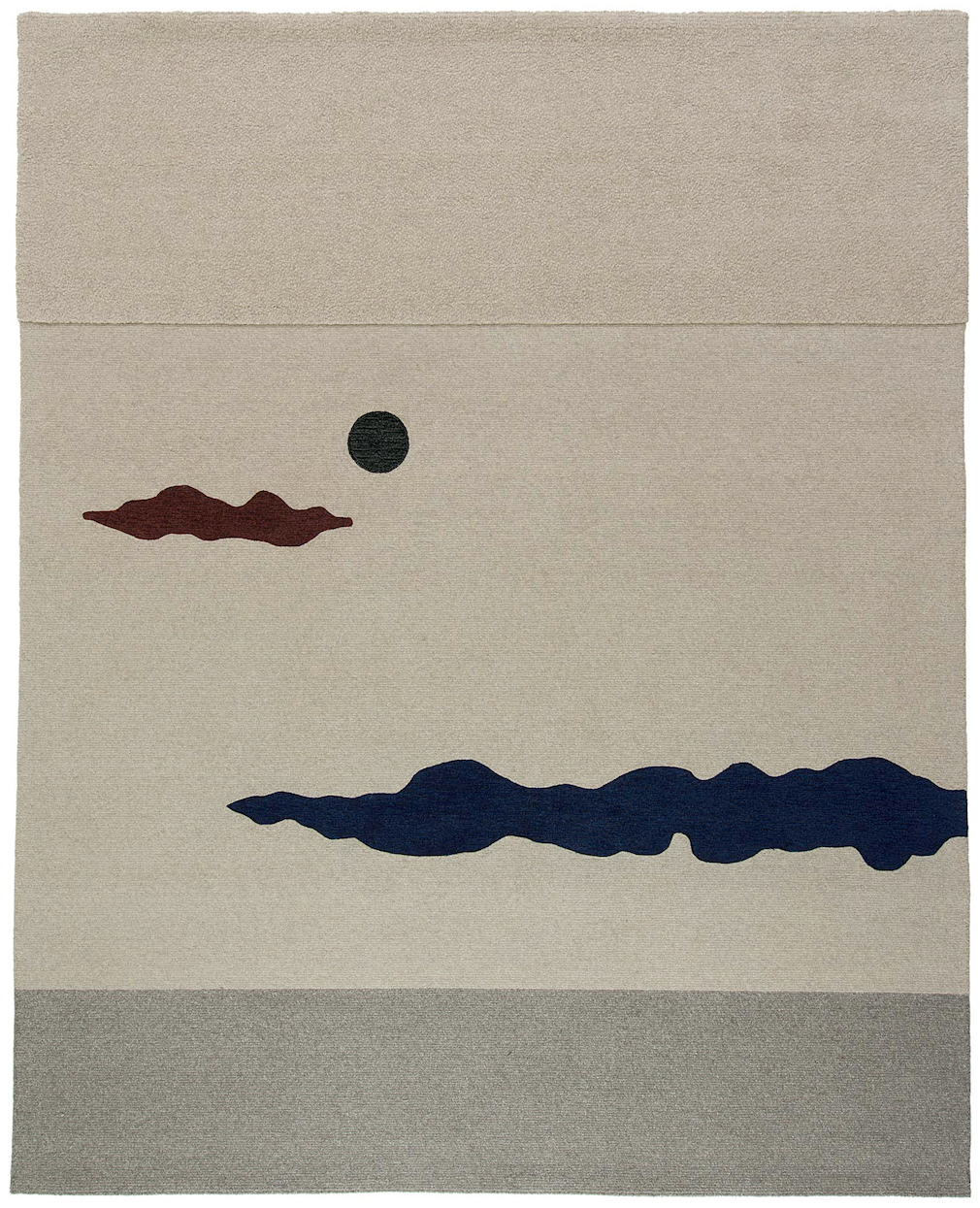
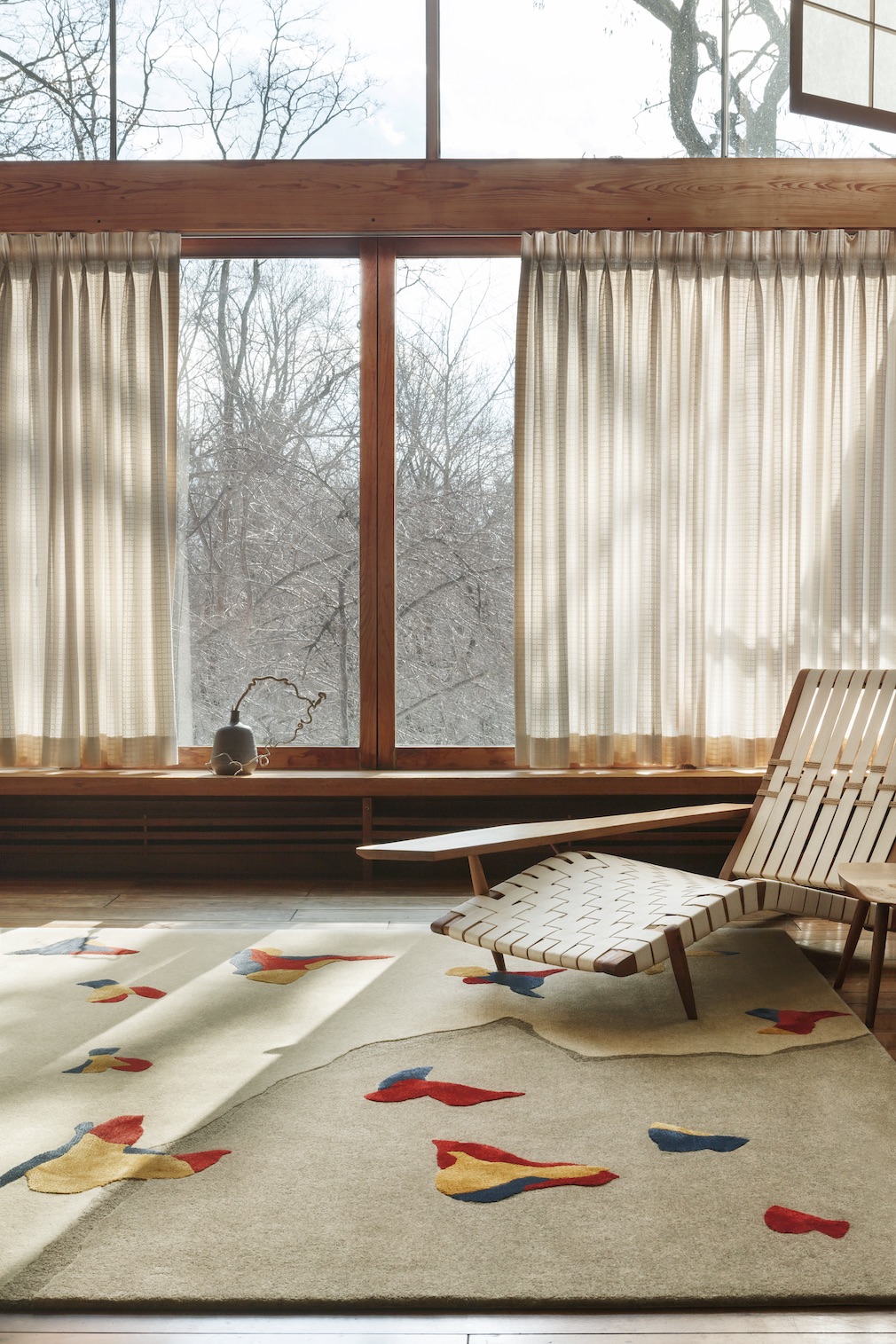
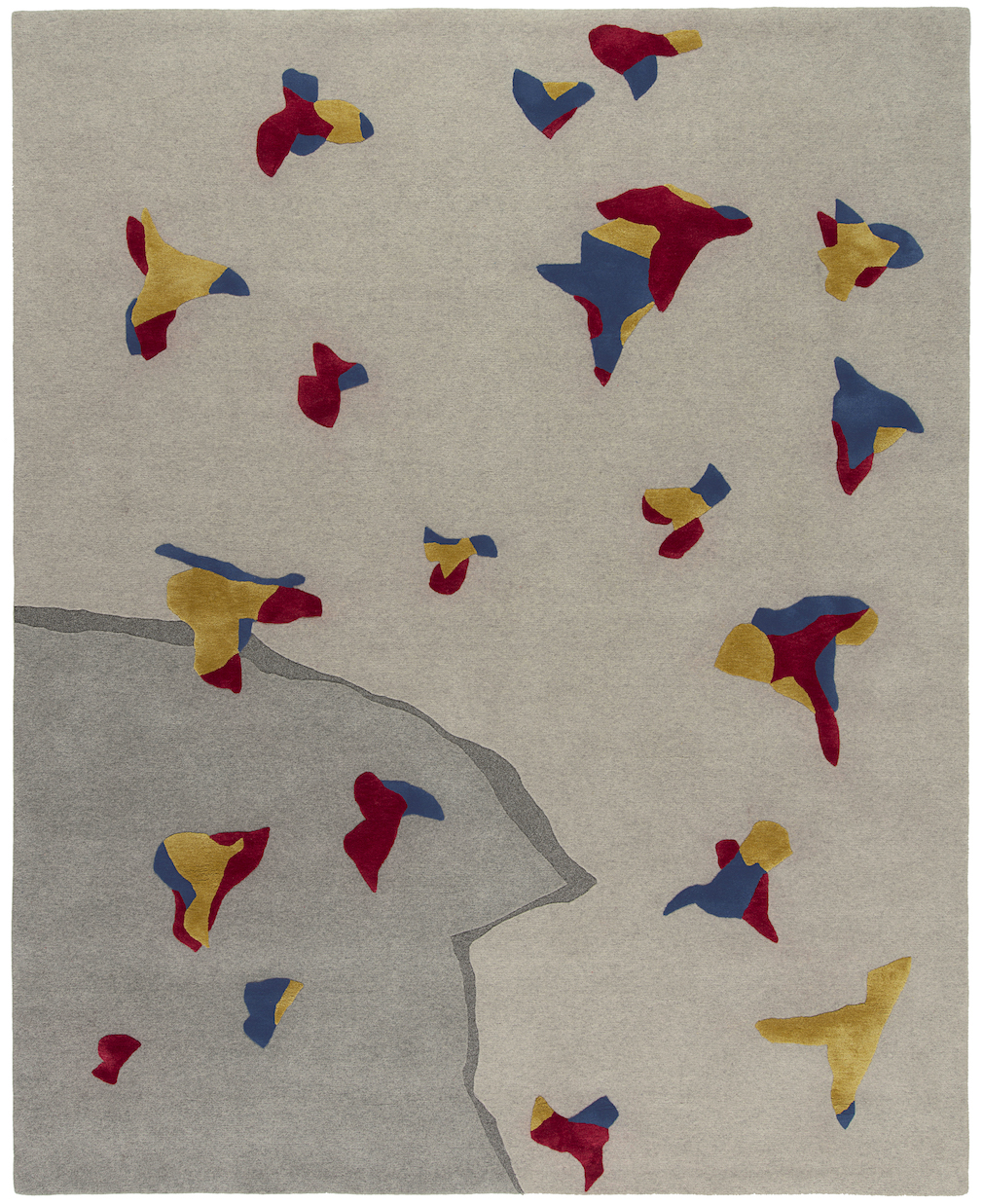
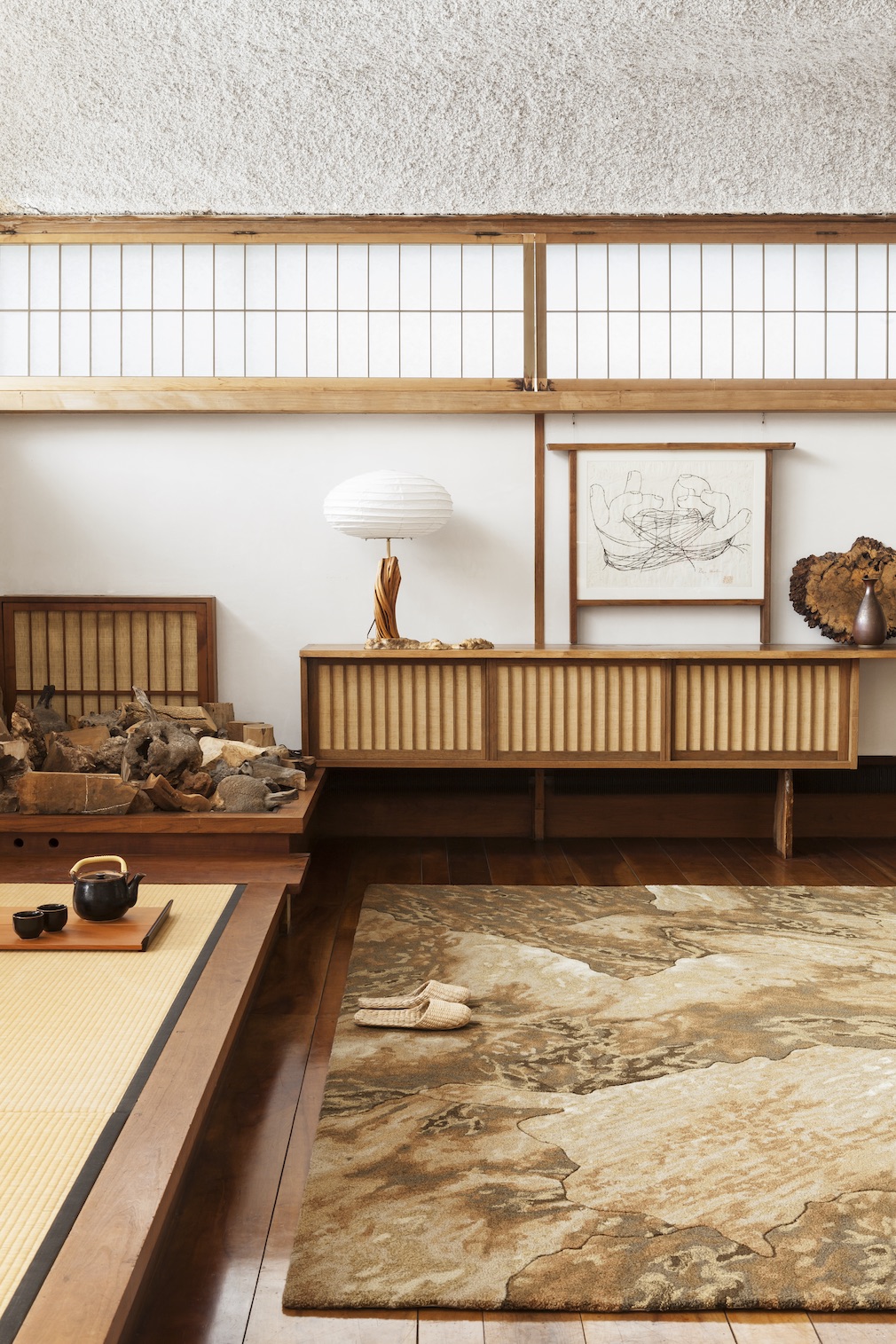
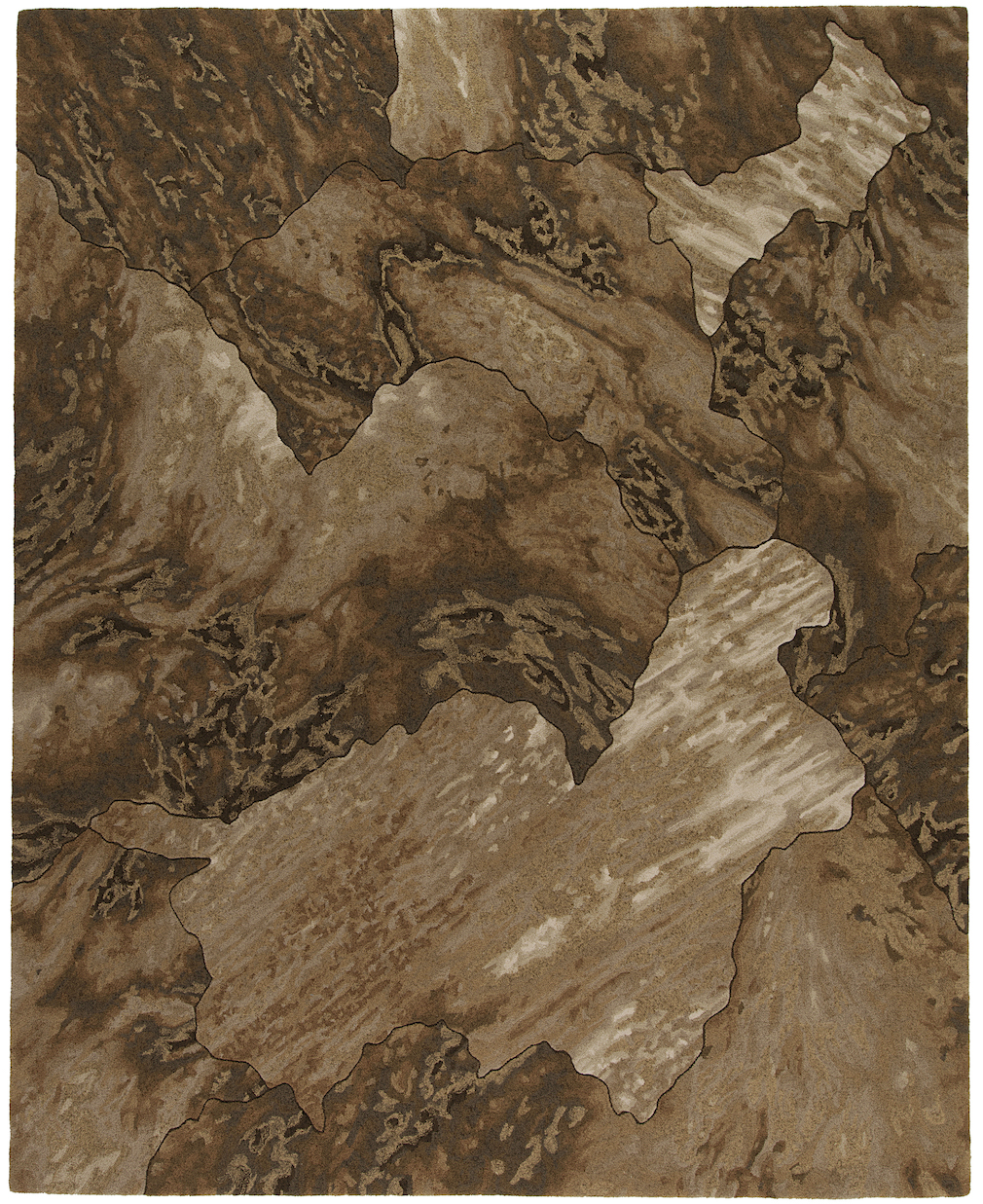
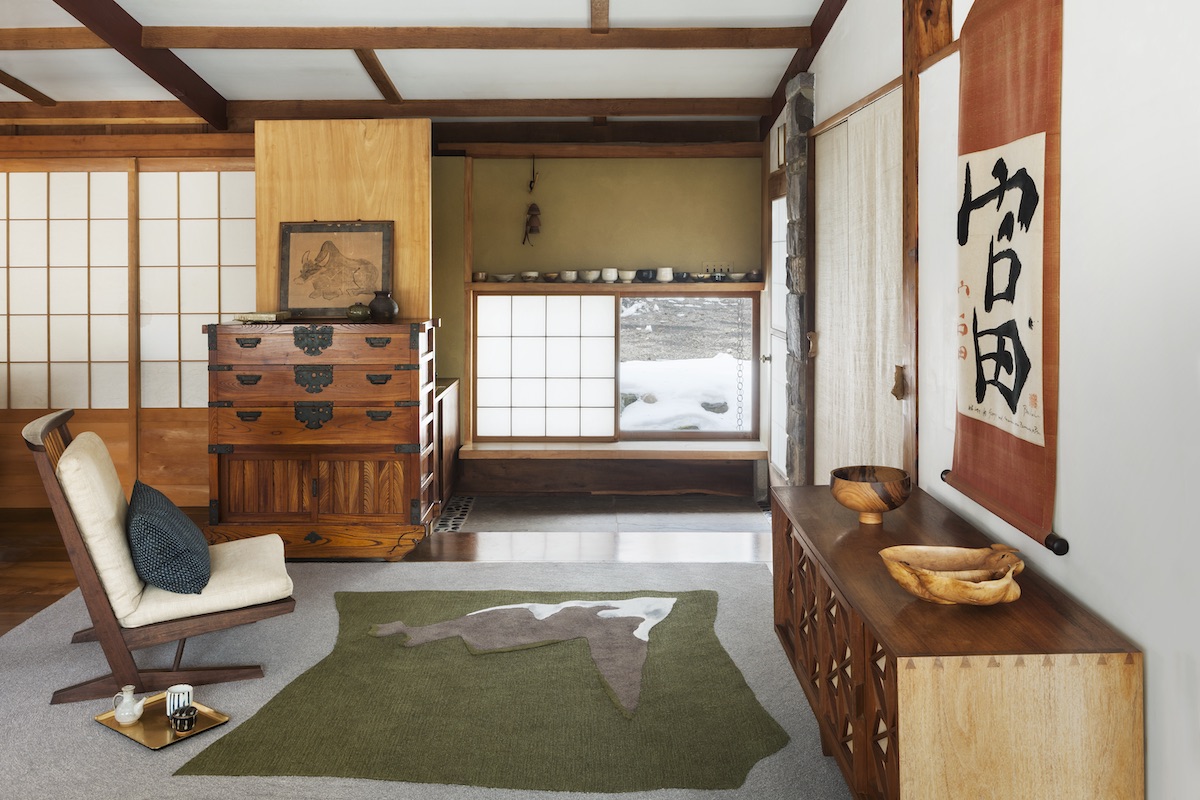
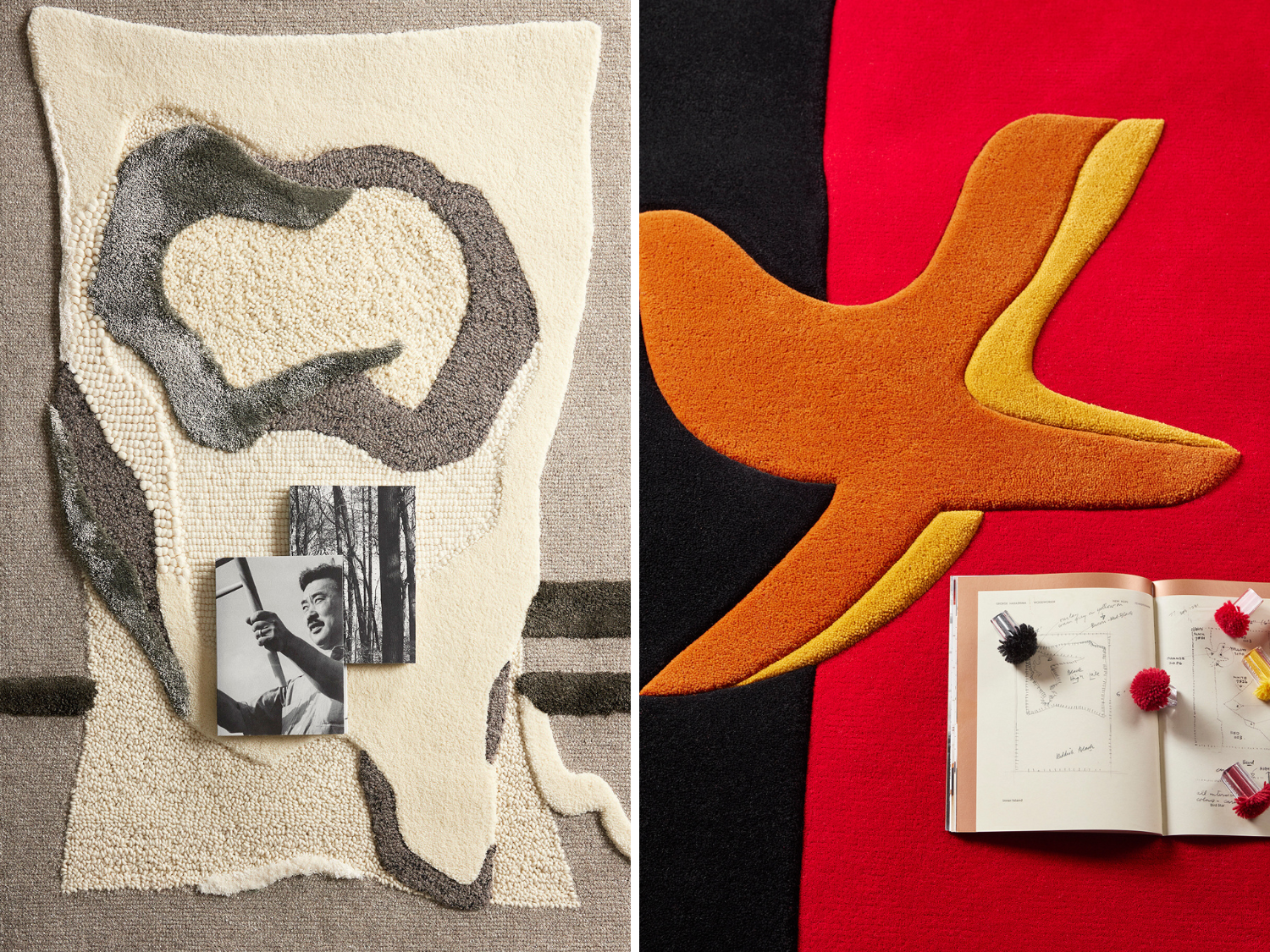
 In the heart of the French capital, an exhibition highlighting the timeless style of 20th-century American woodworker and designer George Nakashima transformed House of Tai Ping’s showroom on Place des Victoires into an immersive scenography. Curated by Paris-based decorator and scenographer Émilie Bonaventure, “Ode à la Nature” shines a light on the Nakashima Edition — a collection of one tapestry and seven rug designs that were developed by the carpet maker’s American subsidiary, Edward Fields. The Nakashima Edition was presented in Paris as part of Maison&Objet’s “In the City” circuit.
While most of the designs in the Nakashima Edition date from the late 1950s, they were only put into production in 2015 after being discovered in the woodworker’s own archives. For “Ode to Nature,” Bonaventure was keen to create a dialogue between the rugs and Nakashima’s furniture, as she viewed each as having their own character. “The furniture is quite restrained and without ornament,” she notes, “whereas there’s something quite painterly about the rugs and the tapestry.”
Fittingly for this exhibition, interspersed among the rugs and tapestry are replicas of original sketches, a selection of his furniture dating from the 1960s — on loan from the private collection of Parisian design dealer Alexandre Guillemain — and natural creations by Paris-based florist, Louis-Géraud Castor, who collaborated with Bonaventure to present a wabi-sabi spirit via rocks and sculptural branches. “I see my role as being one of support,” Bonaventure explains, “ensuring the work is placed in the right context, rather than imposing my own style or personality.”
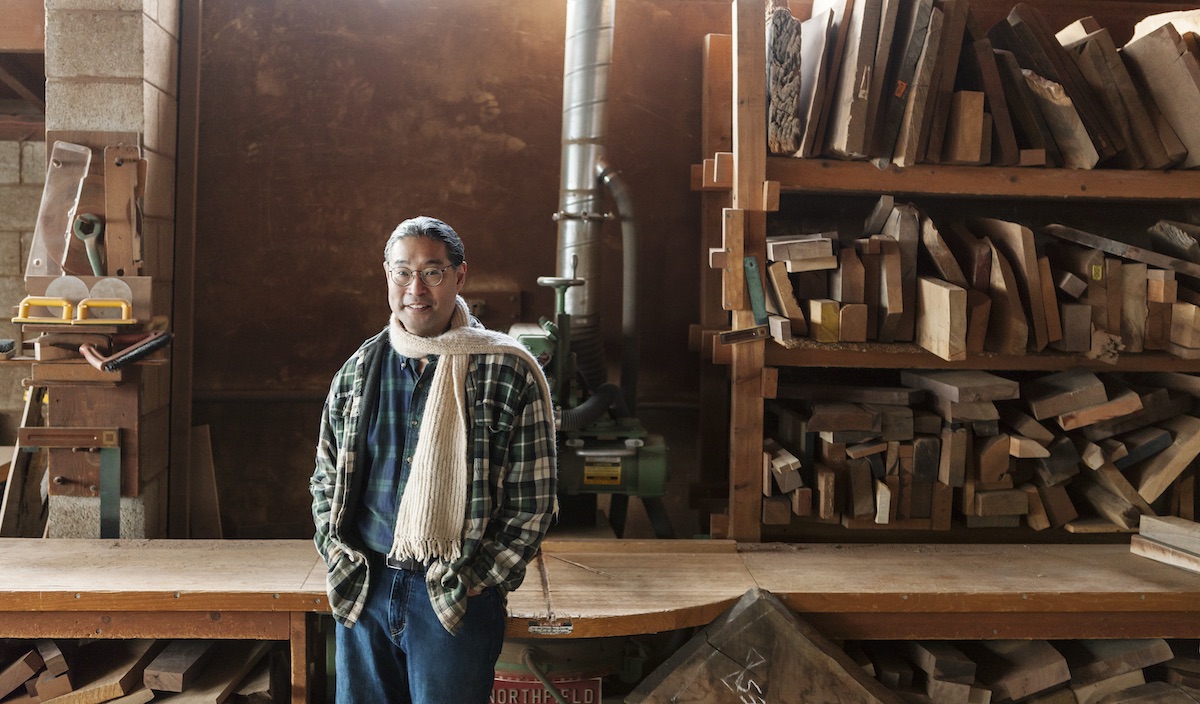
The exhibition coincides with the 90th anniversary of Edward Fields, founded in New York in 1935, and nearly a century since Nakashima’s first trip to France. In the late 1920s, he studied at the American Fine Arts School in Fontainebleau and later spent a year in Paris as part of a world tour after graduating from MIT in 1930.
“I could just see him smiling,” says Nakashima’s daughter Mira, now the president and creative director of George Nakashima Woodworkers. “He always said, ‘If you have a good design, it will be good forever. You don’t have to change it just because the times have changed.’”
aspire sat down with Juliana Polastri, global design and brand director, and Ariana Massouh, U.S. design and brand director for Tai Ping and Edward Fields Carpet Makers, to discuss the lasting appeal and impact of Nakashima’s work and of the exhibition designed to celebrate it.
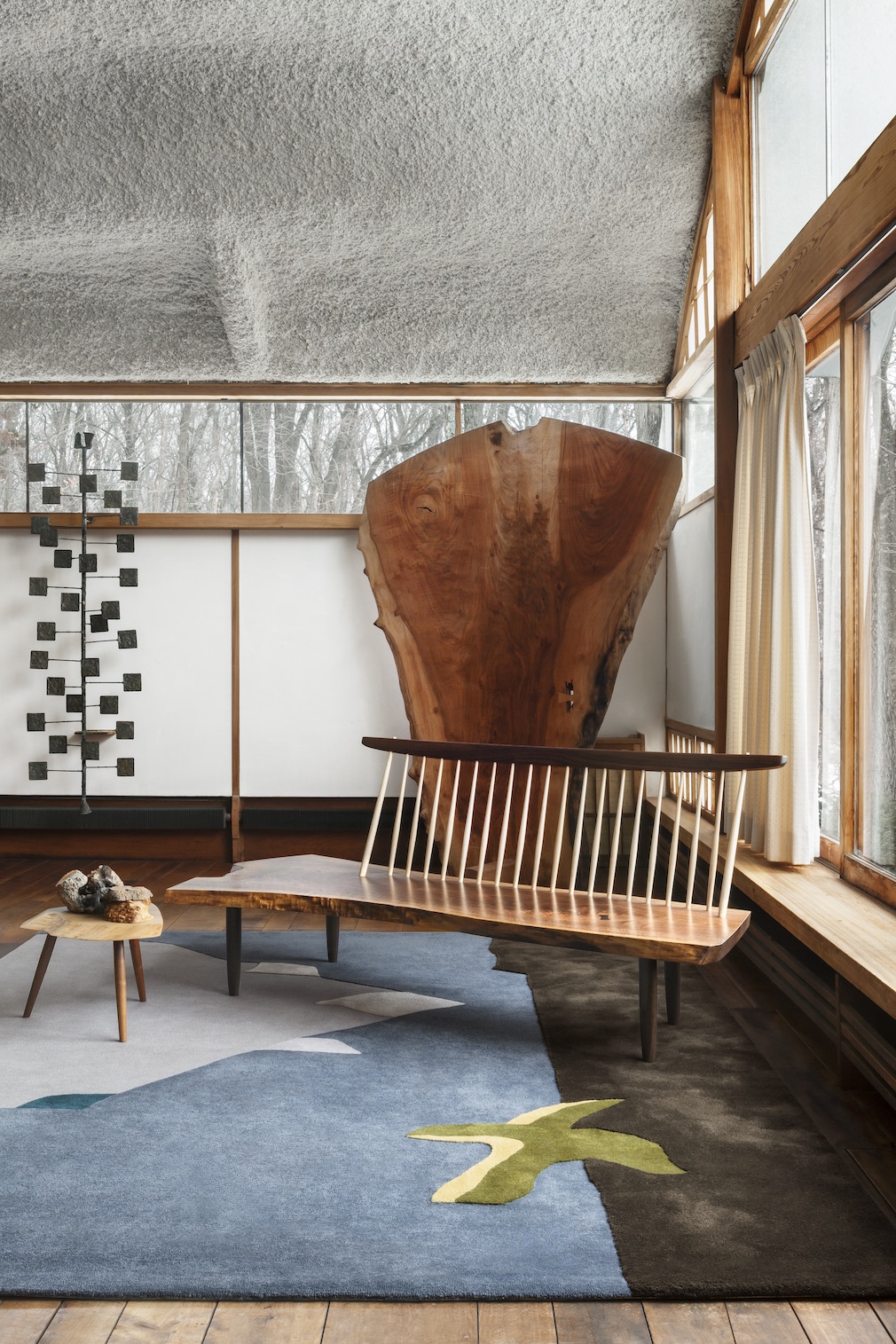
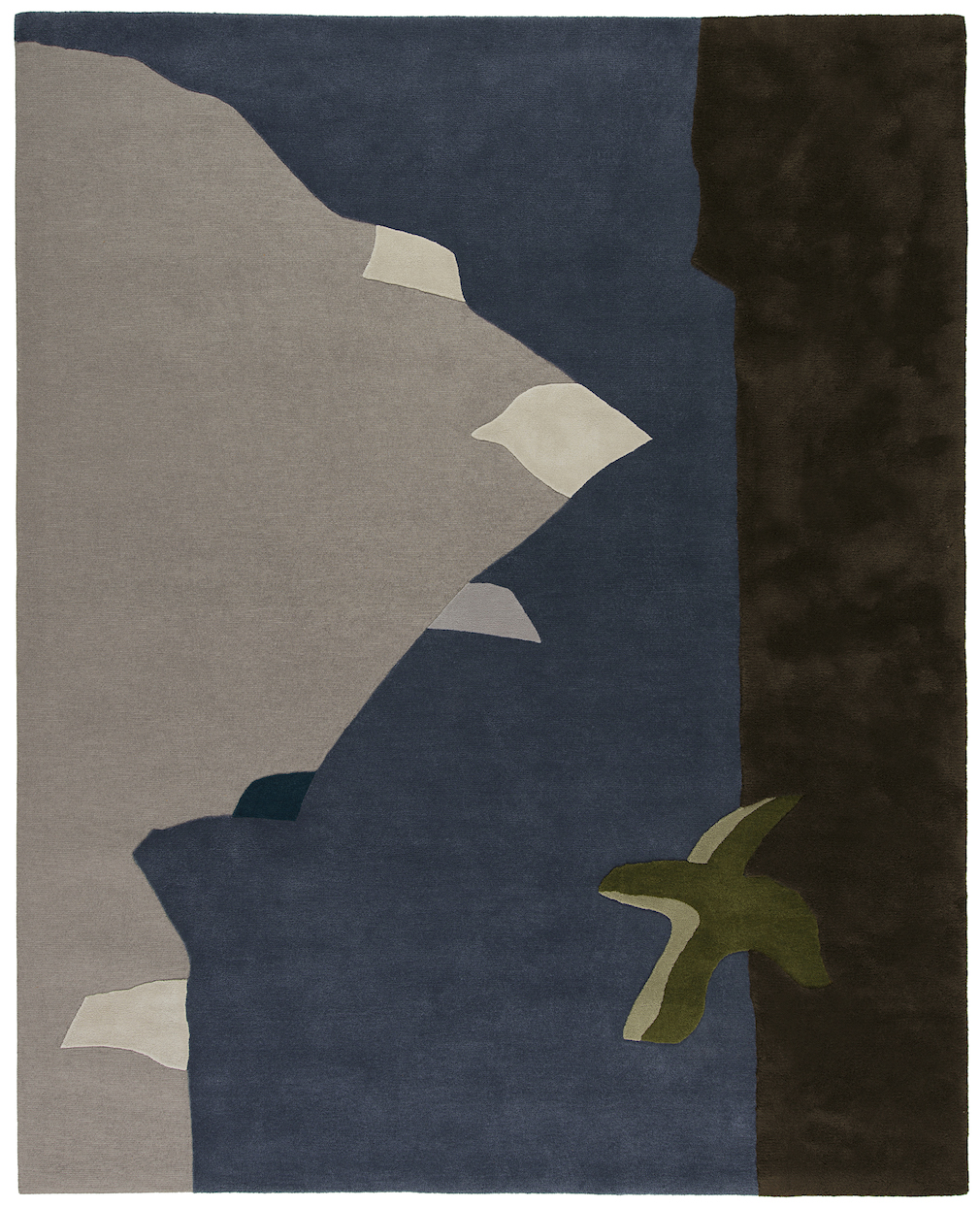
Jennifer Quail: George Nakashima is a bold-faced name in design history and the studio he founded continues to be revered today. Tell us about the synergies between Nakashima’s work and the work/ethos of Edward Fields.
Juliana Polastri: The two makers highlight rich histories rooted in craftsmanship. Their previously unfinished partnership, which dates to the late 1950s, was rekindled by the next generations at both Edward Fields, after Tai Ping’s acquisition of the brand in 2005, and The Nakashima Foundation, where George’s daughter, Mira is continuing the collaboration.
JQ: These designs, found in his own archives and first brought to life nearly a decade ago, are truly timeless. Talk to us about the timeless appeal of Nakashima’s work and style.
Ariana Massouh: There is a synthesis of expression in Nakashima’s work — rooted in nature and landscape — that honors the simplicity of Japanese design.
JQ: Nature is a theme throughout all of Nakashima’s work, including this Edition. Talk to us about the relevance of bringing nature in through design — both in the 1950s, when he first collaborated with Edward Fields, and through to today as the collaboration continues with Mira and the current studio.
JP: Nakashima is known as the father of American craft who was returning to nature during a time of Industrial growth. The return to nature during a time of technological innovation is as relevant today as it was in the 1950’s.
JQ: In this 90th anniversary year, why was this an Edition you selected to highlight as part of your celebration? And why was Paris the right place to celebrate Nakashima’s enduring legacy and influence?
AM: The Nakashima Edition is a jewel from our archives. As we have been digging deeply for this 90th Anniversary, we discovered that he came to Paris long before he met Edward Fields. He traveled the world after graduating from MIT and met with Le Corbusier in Paris. They shared their architectural philosophies and it felt appropriate to have a retrospective of his work in Paris to honor his many travels and adventurous spirit.
JQ: Why was Emilie the right designer with whom to collaborate for this exhibition?
JP: Emilie is a local Paris-based specialist in scenography who was invited to collaborate due to a shared sensibility and appreciation of Nakashima’s work. Her gallery connections in Paris who are representing Nakashima furniture pieces help give global relevance to this American maker and brand.
JQ: What was the most exciting part of collaborating for this exhibition?
AM: To celebrate one of our most exquisite showrooms and share the beauty and heritage of the Nakashima Edition with our colleagues and clients on a global stage.
JQ: What do you hope visitors to the exhibition will take away with them?
JP: The beauty and timelessness of simplicity.
“Ode à la Nature” is on view from January 15–25, at House of Tai Ping’s Place des Victoires showroom.
Like what you see? Get it first with a subscription to aspire design and home magazine.