
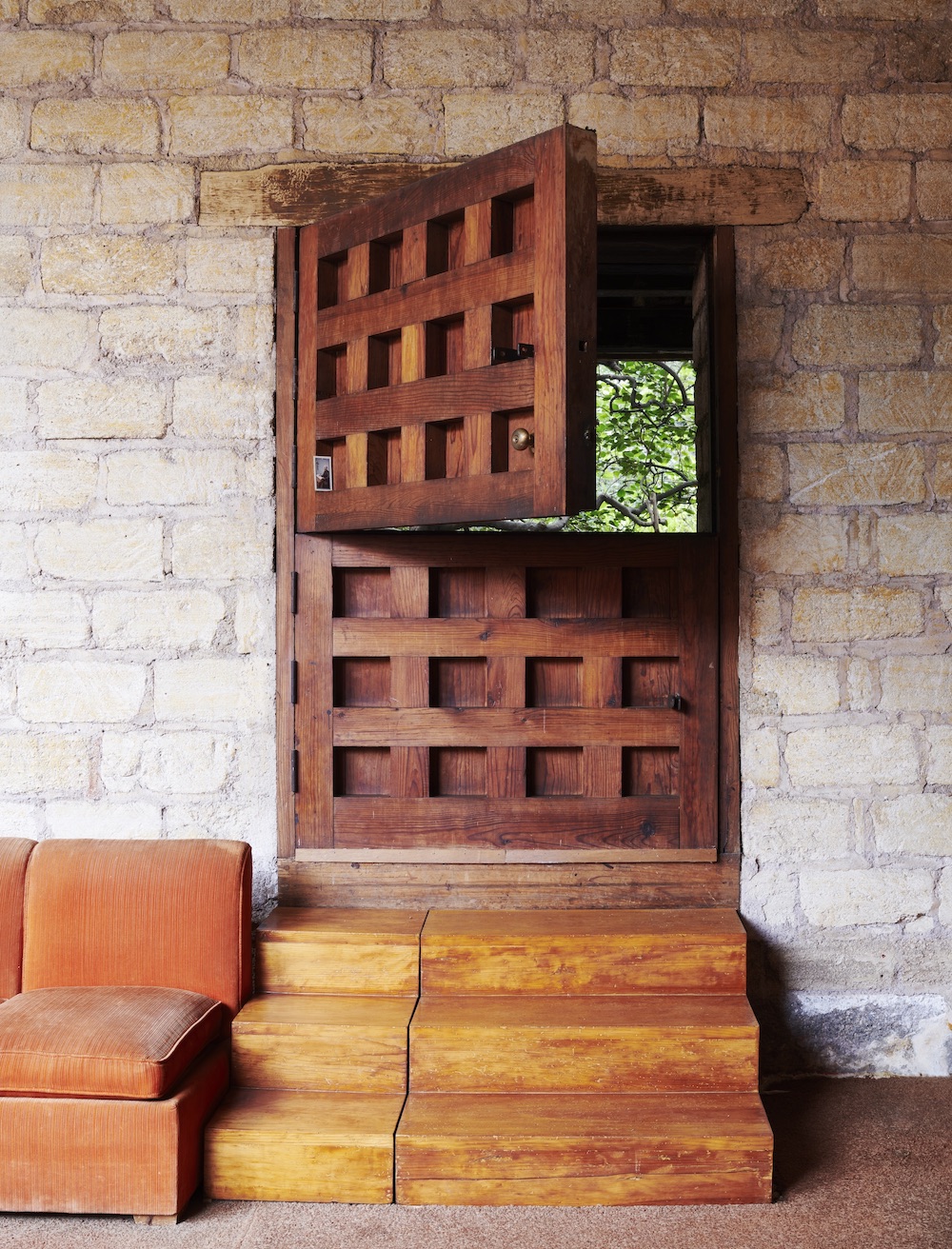
Luis Barragán is Mexico’s most celebrated architect, recognized worldwide due to his invaluable commitment to the architecture of his time and its context. But above all, his work was designed and built on harmonious and poetic foundations and principals that connected with his own, very personal search, as described by the independent jury of experts who awarded him the Pritzker Architecture Prize in 1980:
Casa Ortega, the relatively unknown home of Barragán, is simple, austere and understated – a house that presents mysticism and intrigue around every corner. Least known of all his work, it was the starting point to his later designs.

Rich in detail, color and atmosphere, Barragán’s home was completed in 1942 (he lived there until 1947 when he moved into his second residence next door) and reflects a pivotal point in his career. It was the first time Barragán designed his own house – leaving us his testimony today, without change or modification. It is not only that the home and the gardens, sequences, spaces and furniture of the time make Casa Ortega unique, but that it also reflects Barragán’s thoughts about architecture and the art of creating gardens at that time. And that the spatial and sequential richness of its interiors and exteriors – the visual surprises and perspectives – does not appear as rigorously in any of his subsequent projects.
From the outside, the residence is unpretentious, of sober and austere construction, giving off an air of privacy and serenity that protects its wealth and character on the inside. On UNESCO’s World Heritage List, the 2,500-square-meter house is dressed in mystery. Welcomed into the home by iconic Barragán pink walls, the space receives us and presents itself as serene, harmonious. In an intimate way, the pink entry walls let us glimpse its interior and warmth as we follow the black volcanic pavement hallway that leads to a series of rooms facing the lush gardens. The architecture is organic, with large paned windows in the living and dining room, where we find an array of colorful textiles, art and glass objects paired with wooden furniture of the time. The original period furnishings include designs by Clara Porset, Michael van Beuren, George Nelson and Barragán himself, along with his cabinetmaker Eleuterio Cortez.

The peculiarity of this garden house, together with the current museum house next door, are the only homes that Barragán designed and built to inhabit. The essential difference between this house and his second home is the novelty of working with vernacular and colonial themes without being of a colonial design and style.
The magnificence of the sensual gardens are hidden out of sight. It is only upon entering the home that one discovers the garden — a calm haven amid the sprawling metropolis of Mexico City. Opulent and semiwild, the rambling landscape takes on a life of its own, surrounding the home with pathways, stone sculptures and fountains inspired by the patios and gardens of the Alhambra in Spain. “In 1941, I made my first garden in Mexico City. I acquired a piece of land with different levels. I complemented and leveled different platforms to create a garden in compartments, recalling the beauty of the patios and gardens of the Alhambra and the Generalife in Spain,” stated Barragán.

Water, always present in his gardens, is calm, silent and still and complements the original, faded-rose exterior walls that still bear the original paint, resembling the glow of pink and yellow skies at sunset. Today, that soft light, resembling that of a dying day, emanates from walls that were born white, serving as surfaces peacefully awaiting their assignment of color. “They knew how to wait for Barragán, and just like that, after living this light, he dressed them in color,” says the current owner of the house, an architect and descendent of the Ortega family, who purchased the home from Barragán in 1947.
After more than 80 years, the dense, deep gardens have been lovingly maintained with the natural and intentional plant variations, so that even with the passage of time and despite the aggressive modification of their surroundings, the harmony and strength of the initial landscaping project remains. They are, simply, a landmark of modern architecture in Mexico. Today, we wonder how Barragán conceived this contemplative expanse, adapting to the topography of preexisting mines in the area to transform them into an outdoor experience where the surrounding vegetation blends with the ground itself, creating magical spaces to walk through.
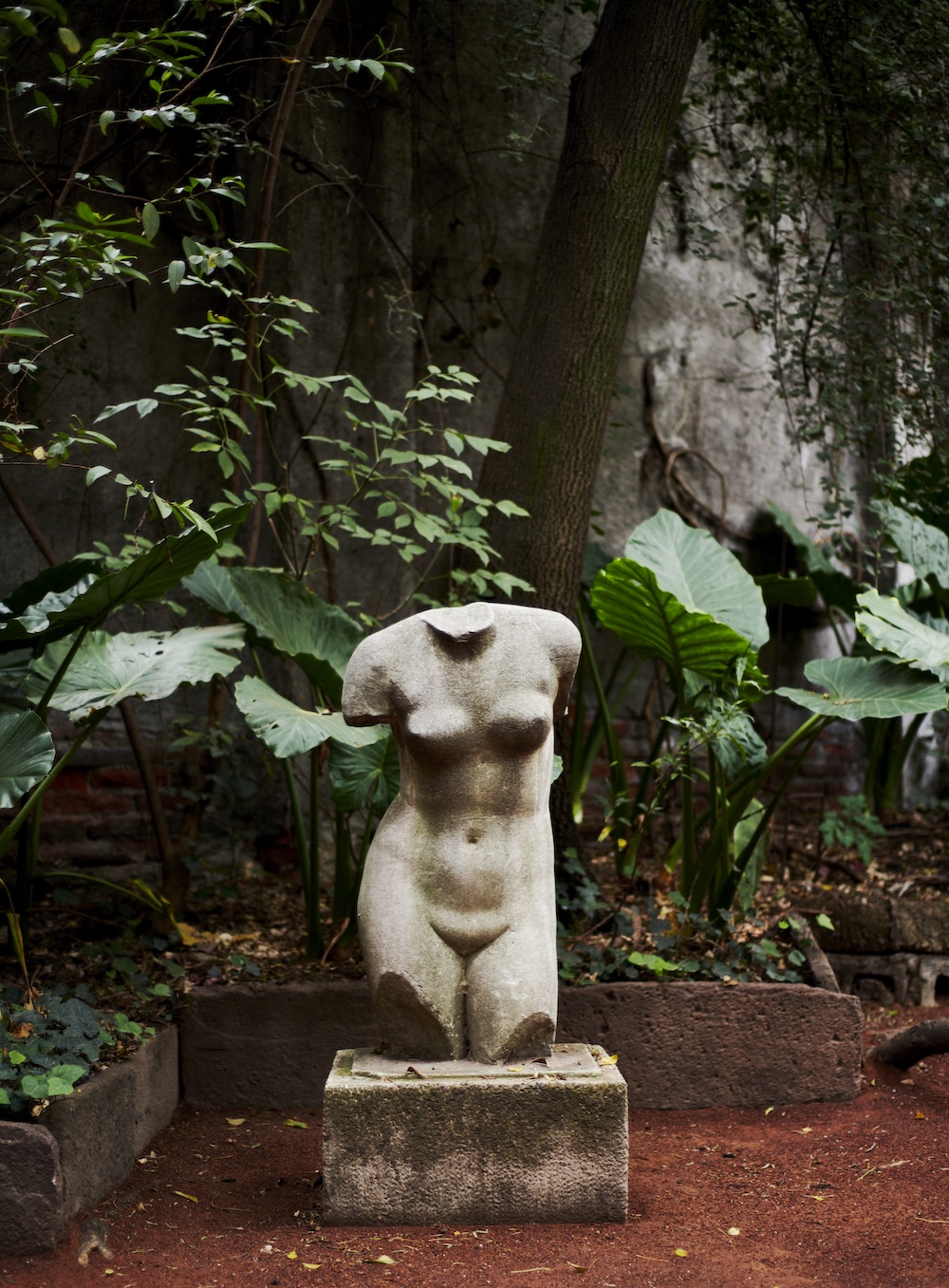
The location of the terraces gives identity to the landscape architecture also created by Barragán. Casa Ortega and the gardens stand today according to how Barragán imagined them: his memories of the haciendas of his childhood, the gardens of Bac, the Alhambra, the Generalife and his vision of modern European architecture. But these gardens will also be the sample of his landscaping ideas from now on.
Photography by Richard Powers.
Like what you see? Get it first with a subscription to aspire design and home magazine.