
 Christopher Boutlier creates interiors that reflect the people who live and work in them, their lifestyles and their sense of style. As one of Washington’s most sought-after and respected designers, he designs spaces that excite the eye while remaining genuinely livable. A graduate of George Washington University with an M.F.A. in interior design, and a member of the American Association of Interior Designers, he has worked on private residences and workspaces for prominent clients throughout the United States. Combining old and new elements, Christopher’s interiors are noted for their strong sightlines, with architectural details and objects arranged in rhythmic progression. His work offers a calm counterpoint to the visual noise of modern life. Outside the studio, Christopher is an avid hiker and skier and splits his time between Washington, D.C. and coastal Maine, where the landscape and pace of life continue to inform his appreciation for natural materials, thoughtful restraint, and quiet beauty. Take a look at some of Christopher’s work in this week’s Designer Friday.
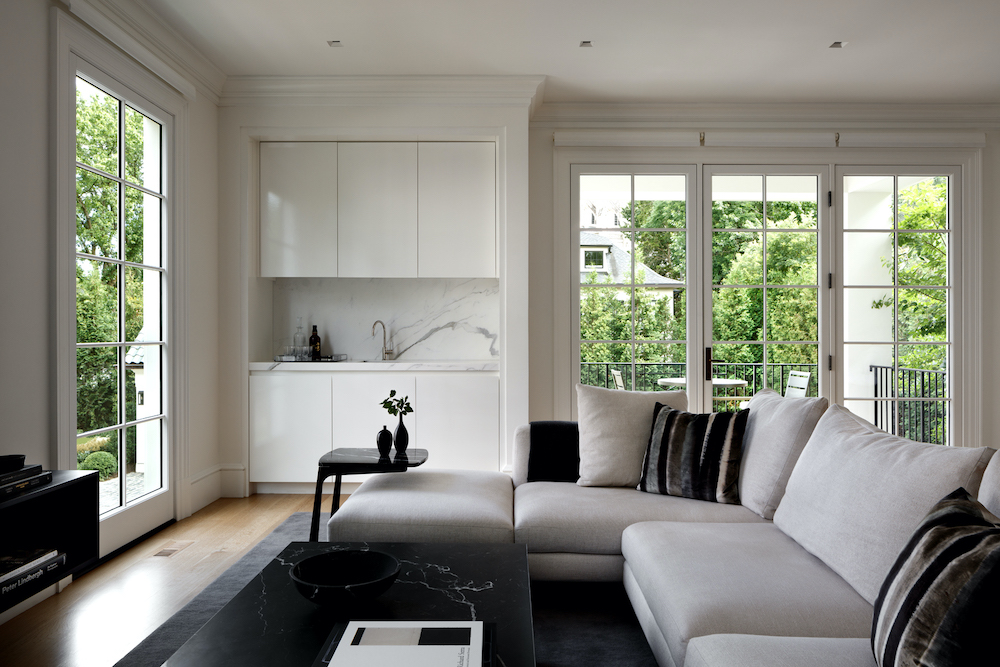
Andrew Joseph: What inspired you to become a designer?
Christopher Boutlier: I did not grow up thinking I would become a designer. I was always drawn to spaces, though. I noticed how certain rooms made me feel calm, focused, or energized, and how others quietly drained you. That awareness stuck with me.
When I was a kid growing up in Louisiana, I came across a stack of old Architectural Digest magazines. It completely blew my mind. I could not believe people actually lived that way. Those homes felt so far removed from my own reality that they almost seemed fictional. But they also planted the idea that spaces could be intentional, expressive, and transformative.
Design became a way to shape those emotional experiences in a deliberate way. I love the idea that a home can support how someone lives, how they think, and how they recharge. It is not just about making things look good. It is about creating environments that feel grounded, thoughtful, and genuinely livable.
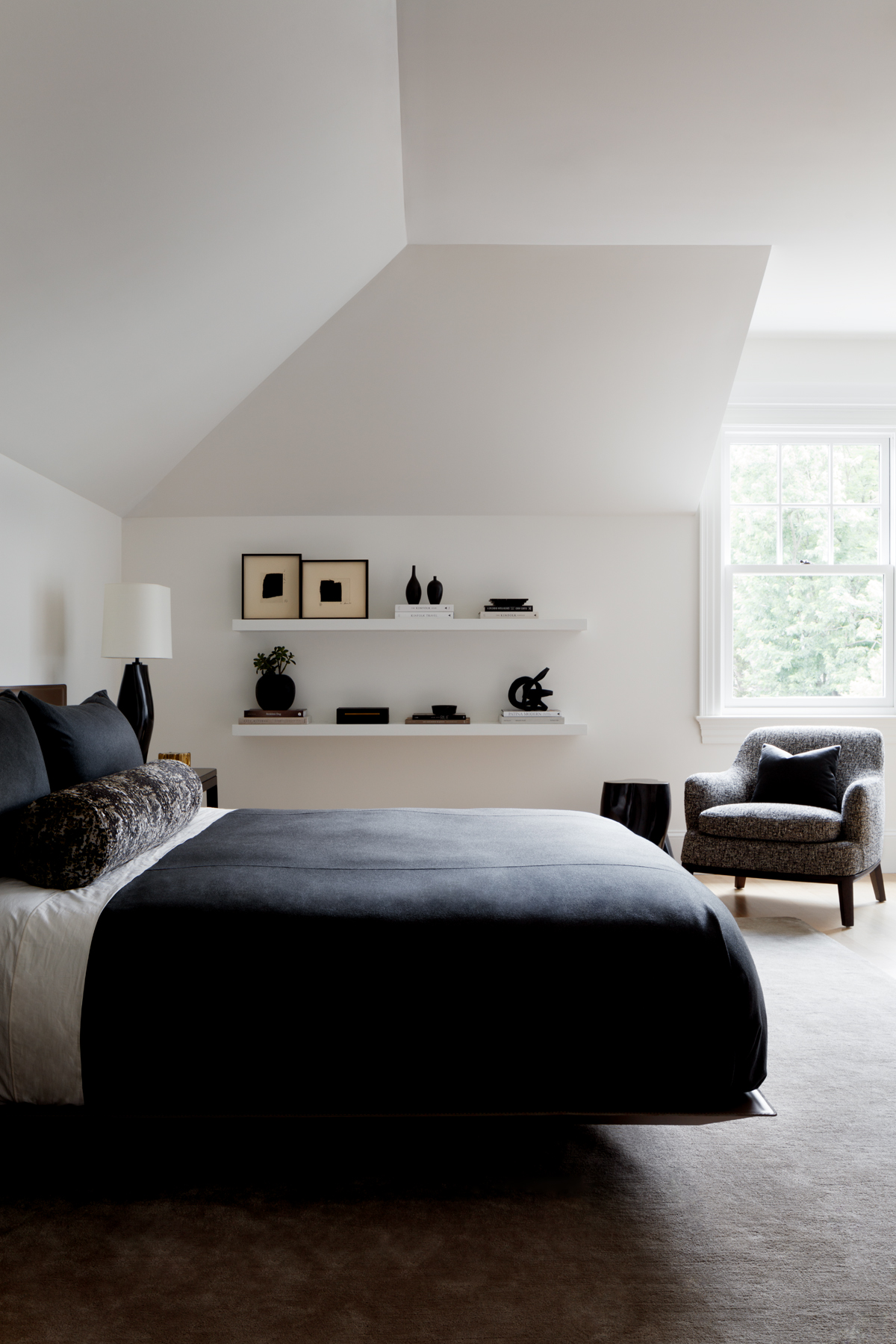
AJ: What is the most challenging project you’ve worked on and how did you overcome it?
CB: The most challenging project I have worked on was a new build outside of San Diego. It was designed from the ground up, and it was also my first project in California, which came with a steep learning curve. Building practices there are very different from what I was used to, and the environmental regulations and sustainability requirements added another layer of complexity. Every material choice, system, and construction detail had to be evaluated through a much more rigorous lens.
I overcame it by leaning into collaboration and research. I spent a lot of time learning from the architect, consultants, and local builders, asking questions, and understanding not just what the rules were, but why they existed. Once I had that foundation, the project became less about navigating obstacles and more about designing within a thoughtful framework. By the end, it was incredibly rewarding. It pushed me to be more precise, more informed, and ultimately a better designer. And the home itself feels both deeply considered and completely at ease in its environment.
AJ: What is the most important element in a successful interior design?
CB: The most important element is alignment. Great interiors are never the result of one person working in isolation. They come from architects, builders, trades, vendors, and installers all moving in the same direction, with a shared understanding of the goal. That kind of alignment only happens through clear organization and constant communication. Details must be documented properly, decisions need to be made at the right time, and expectations, both for the client and for the team, must be realistic and well defined.
When that foundation is in place, the creative work can shine. Without it, even the best design ideas struggle to survive the reality of construction.
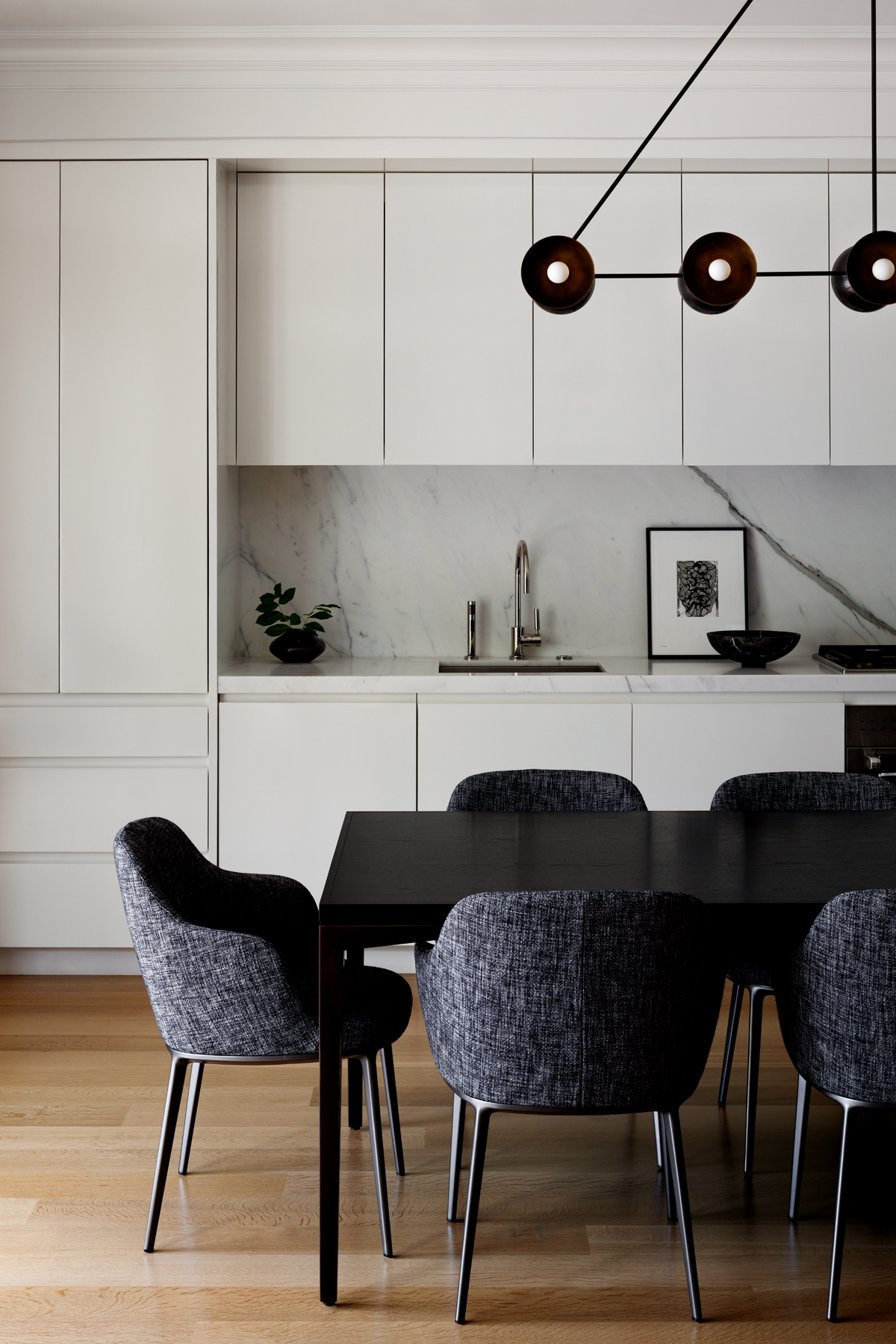
AJ: Can you describe a project that you’re particularly proud of?
CB: One project I am particularly proud of is the 35th Street residence. It was an opportunity to shape a home that feels both refined and deeply livable, with spaces that support everyday routines just as much as they do entertaining. What made the project especially meaningful was the level of intention behind every decision. From the layout to the smallest details, we focused on how the clients live and move through their home. The goal was never to create something overly styled, but rather something calm, layered, and enduring.
We also worked very closely with the architect and builder, which allowed the interiors to feel fully integrated with the structure of the house. When that collaboration is strong, the result feels seamless. Nothing looks forced or added on. In the end, it is a project that captures what I care most about in design: thoughtful planning, beautiful materials, and spaces that feel natural to live in. It still feels just as good to walk through today as it did when it was finished.
AJ: What’s the best piece of advice you’ve received as a designer?
CB: The best advice I ever received was to not be afraid of saying, “I don’t know.” Early in my career, I thought being professional meant always having an answer. But good design is complex, and no one has every solution immediately. Admitting when you need to research something, ask a consultant, or think a problem through leads to better outcomes and stronger collaboration.
Clients do not expect perfection. They expect honesty, judgment, and follow through. That mindset has made me a better designer and a better partner to the people I work with.
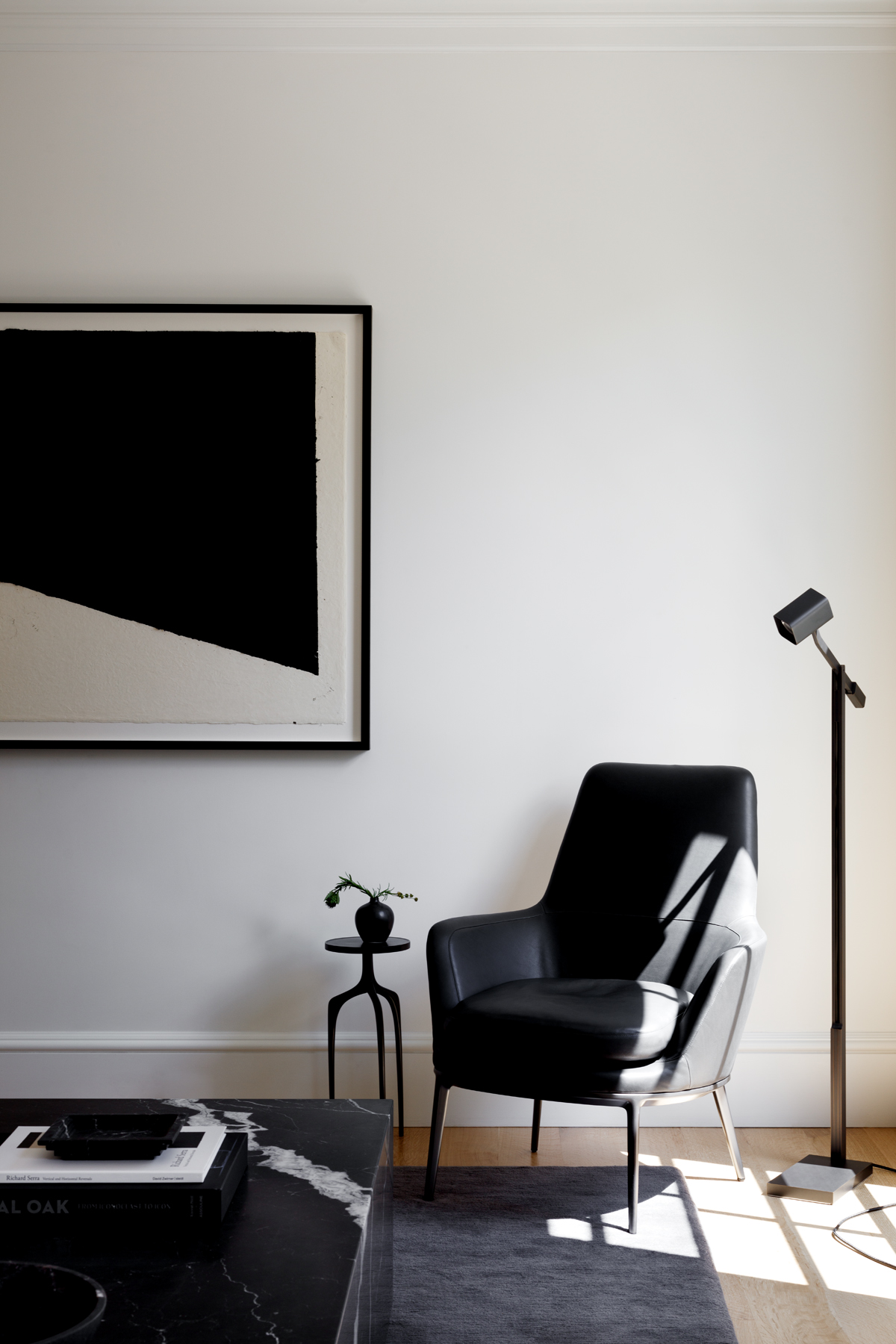
AJ: What was the last book you read and how did it inspire you?
CB: The last book I read was Night Studio: A Memoir of Philip Guston. What I found most inspiring was its honesty about the creative process. Guston’s work was constantly evolving, and the book does not romanticize that. It shows how much uncertainty, self-doubt, and revision are part of making meaningful work.
It was also deeply impactful in how it explored the role of childhood in shaping our curiosities and the way our early experiences quietly inform what we are drawn to later in life. That idea felt very true to me, both personally and professionally. The book also does not shy away from how consuming creative work can be, and how that intensity leaves real marks on the people closest to you. It was a reminder that making things comes with responsibility, not just ambition.
Together, those themes reinforced something I try to keep in mind in my own work: the best projects are not about repeating a formula. They are about staying open, questioning your instincts, and allowing the work to change as you understand it more fully.
AJ: Can you tell us about a specific moment in your career that made you feel accomplished?
CB: One of the most meaningful moments in my career had nothing to do with a project or a publication. It was the day I was able to buy a house for my mom. I grew up with very little, and I think when that is your starting point, you quietly carry the dream of one day being able to take care of the people who took care of you. For me, that was always in the background. Being able to do that through my own work and creativity made everything feel real in a different way. It was the moment I understood that success is not just about building a career. It is about creating stability, dignity, and comfort for the people you love. That will always matter more to me than any professional milestone.
Like what you see? Get it first with a subscription to aspire design and home magazine.