
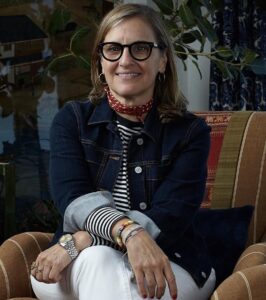
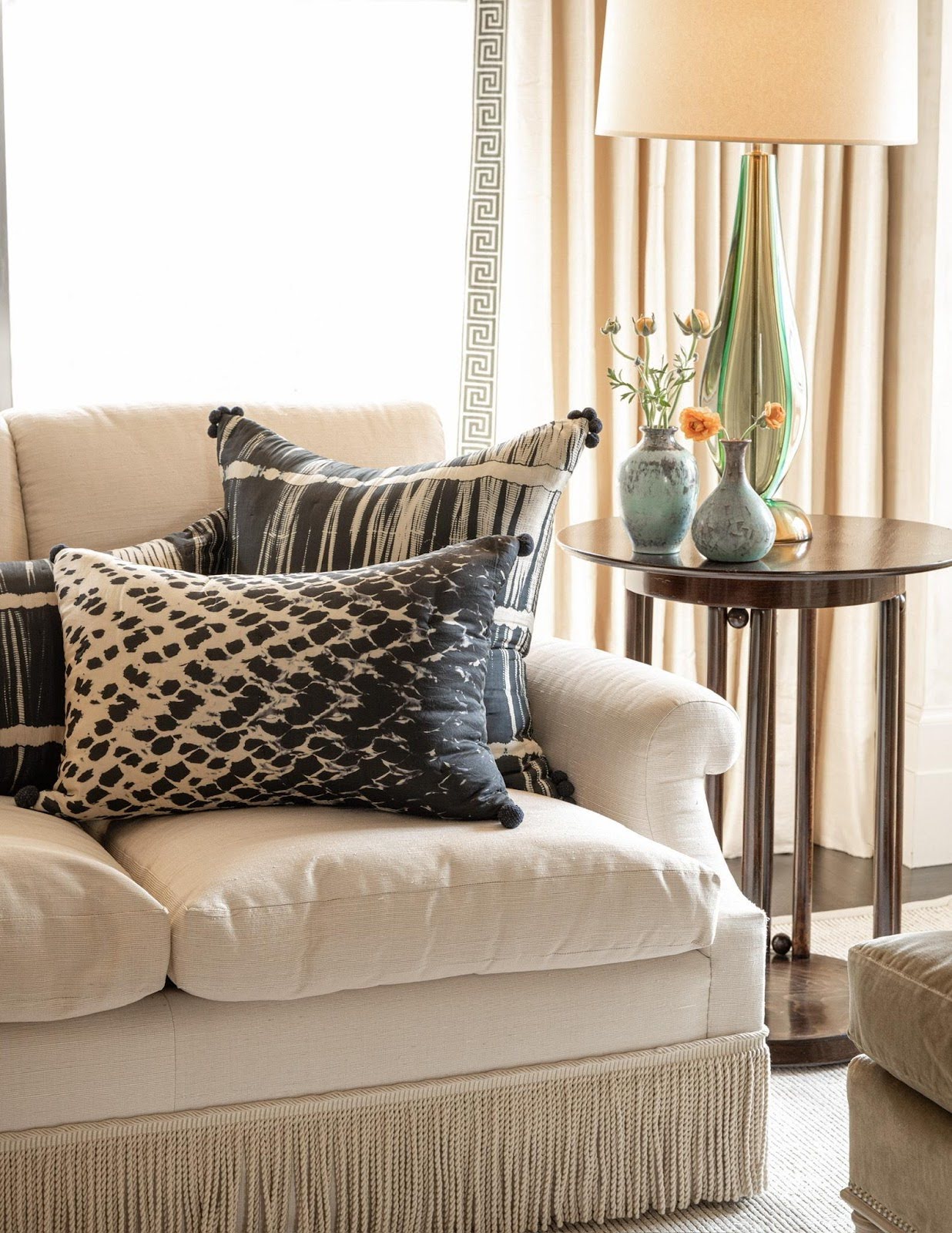
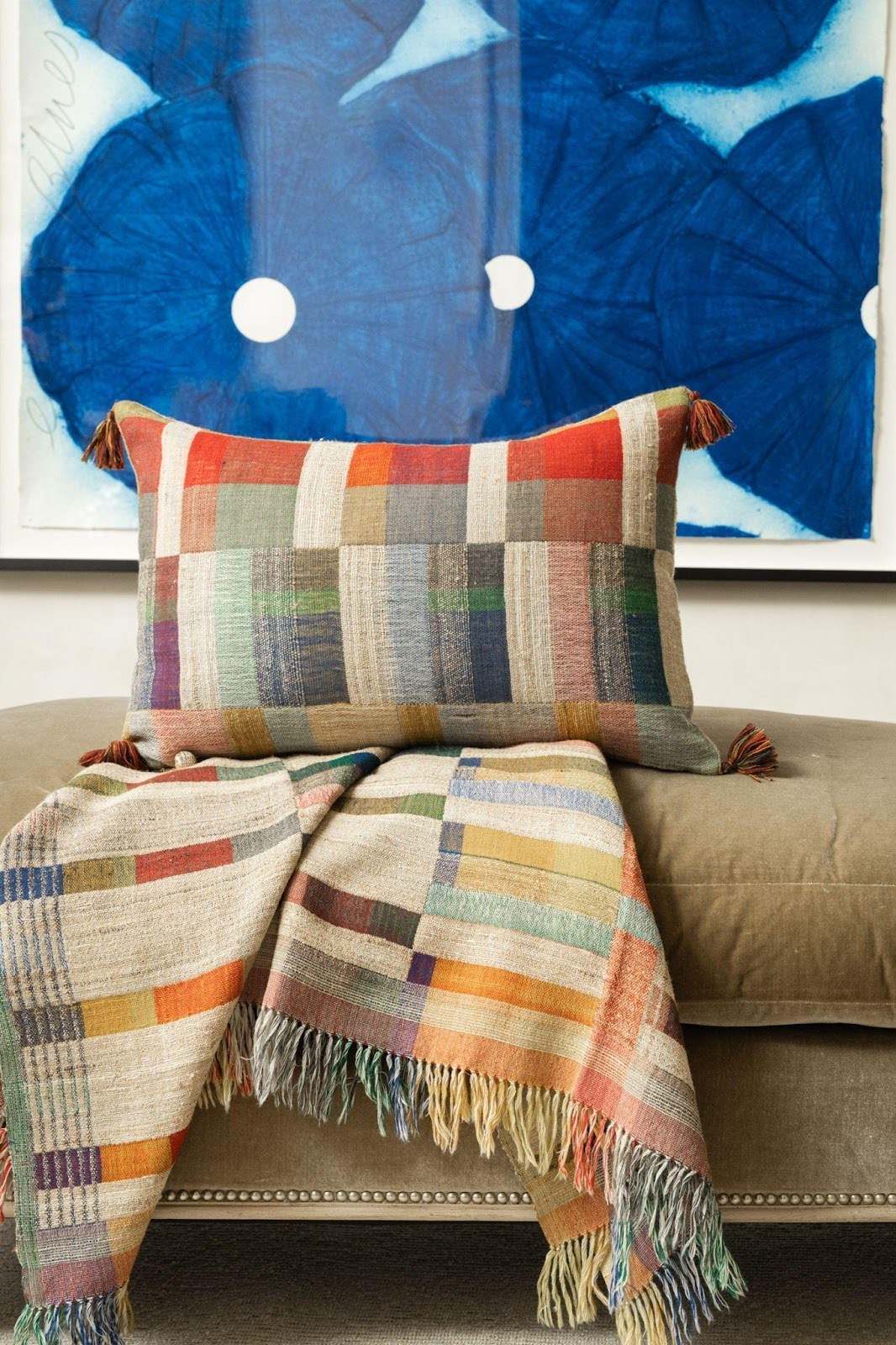
 Eileen Applebaum is the founder of Threads Soft Goods, a curated collection of handcrafted pillows that celebrate global craftsmanship and timeless design. With over 30 years of experience sourcing vintage textiles from around the world, Eileen launched Threads to bring her passion for heritage fabrics and artisanal techniques to a wider audience. Her one-of-a-kind pillows — made from vintage materials she collected during decades of travel and treasure hunting — quickly found a devoted following among designers and vintage enthusiasts alike. Based in New York City, Threads has since expanded to include a stocked line of pillows that carry the same vintage spirit. Drawing on her 25 years as a textile and rug buyer in India, Eileen collaborated with trusted artisan partners to revive age-old techniques like Shibori dyeing and Kashmiri crewel embroidery, while infusing each piece with thoughtful, unexpected details, from handmade tassels to luxurious natural fibers like linen, wool, silk, and alpaca. Eileen’s work is a celebration of beauty, heritage, and the subtle touches that elevate everyday living. See how Eileen Applebaum weaves heritage and heart into every piece in today’s Maker Monday.
Andrew Joseph: What inspired you to become a designer?
Eileen Applebaum: At first, I saw design as just a hobby, not a career. At a young age, I was inspired by the homes of friends whose mothers had a strong design aesthetic and immediately convinced my mother to let me redecorate my bedroom and subscribe to home magazines. I dragged her to every decorator showhouse starting at 11 years old!
My path to becoming a designer is a bit unconventional. I originally went to school to become an accountant, and while it wasn’t the right long-term fit, it gave me a strong foundation that continues to support everything I do today. That experience helped shape me into someone who is both analytical and creative — I like to think of myself as a right- and left-brained thinker.
I thought I’d pursue a role on the business side of a creative company, but with the support of great mentors who encouraged me to trust my creativity, I found myself stepping fully into the design world. Before I knew it, I was leading creative direction. It was a surprising turn, but one that feels completely natural now. Blending creativity with strategic thinking is what I love most about what I do.
AJ: Design Philosophy in Three Words:
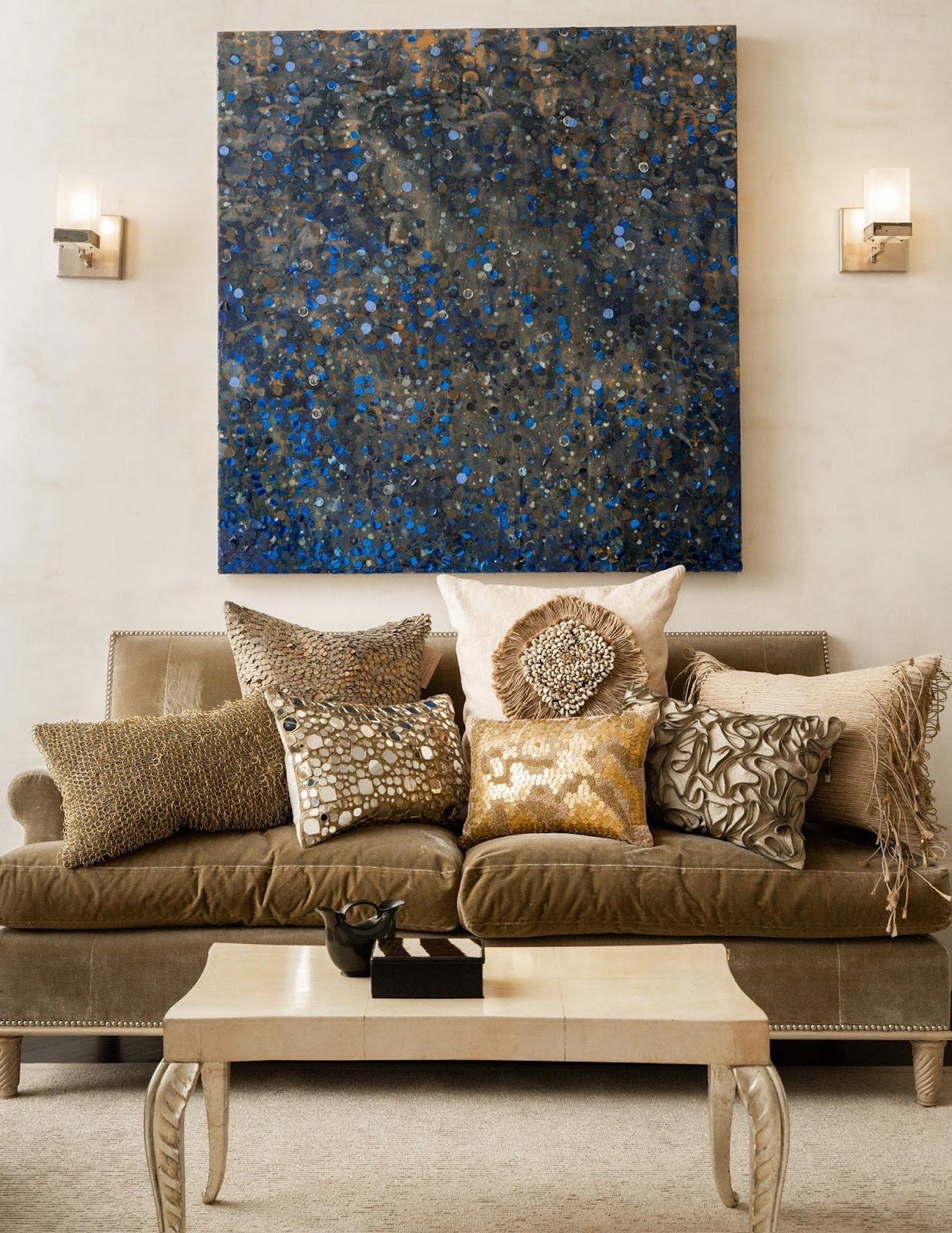
EA: Handmade. Natural. Timeless. I’m drawn to design that embraces the beauty of imperfection, with pieces that feel handmade, grounded in simplicity and connected to the natural world. I believe in creating work that wears in, not out, where patina and age only add to the story. My goal is to design with integrity and intention, crafting things that stand the test of time both aesthetically and functionally.
AJ: Style or Design Icon and Why?
EA: Peter Dunham is the designer I continually draw inspiration from. He is a master of pattern and stripes, and has an incredible eye for layering. His work strikes that perfect balance between casual and elevated, he mixes high and low effortlessly, and his use of color feels both bold and approachable. His love of global design, particularly India, resonates with me personally, as I’ve been going there for 25+ years working with craftspeople to create rugs and textiles.
He consistently reminds me that great design is both intuitive and intentional about creating spaces that feel lived-in, loved, and lasting.
AJ: What’s your design pet peeve?
EA: Over-relying on data to drive design decisions. While data can be a useful tool, I believe it should support intuition and not replace it. Some of the most meaningful design work comes from instinct, emotion, and lived experience. When we let numbers dictate every choice, we risk losing the soul, nuance and human connection that great design is built on.
AJ: How do you keep up with the latest design trends?
EA: I like to see what’s going on, but don’t jump onto any trends. I more often pore over my treasured coffee table books, magazines and Pinterest. What usually catches my eye is unexpected color combinations or juxtapositions. I also find inspiration in nature, fashion, inside, outside, anywhere, everywhere.
Like what you see? Get it first with a subscription to aspire design and home magazine.