
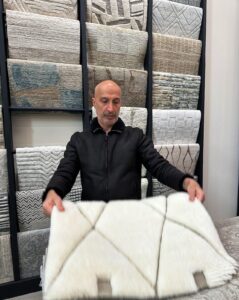
 For Jamshid “James” Mohaber, the threads of passion for rugs were woven at an early age. Raised as a third-generation rug purveyor, he was caught up in the glamour of the business as he watched his father sell to Persian dignitaries and actors. Still, it wasn’t the celebrity that first drew him in, it was the artistry. At thirteen years old, Mohaber’s family moved from Persia to the U.S., and by 1982, he and his father opened Jimmy’s Rug Gallery in West Hollywood. Over the years, they bought the plots next door and behind the existing property, nearly tripling the size of the rug gallery to its current 3500 square feet. In 2019, Mohaber embarked on another change, knocking down thirty-seven-year-old Jimmy’s to break ground on what would become James Royce Designer Rugs. Mohaber carefully chose every rug in the showroom. Some were hand-picked from his travels to places like Morocco while others were designed with his personal touch. He brings that same detailed eye to every undertaking, which, with the assistance and talents of Chinmaya Misra of CHINCHIN Design, led to a window feature in AD and a Best of Competition in Booth Design win from IIDA at WestEdge in 2024. See how James turns a passion into a product in today’s Maker Monday.
Andrew Joseph: Can you tell us about a design you are excited about?
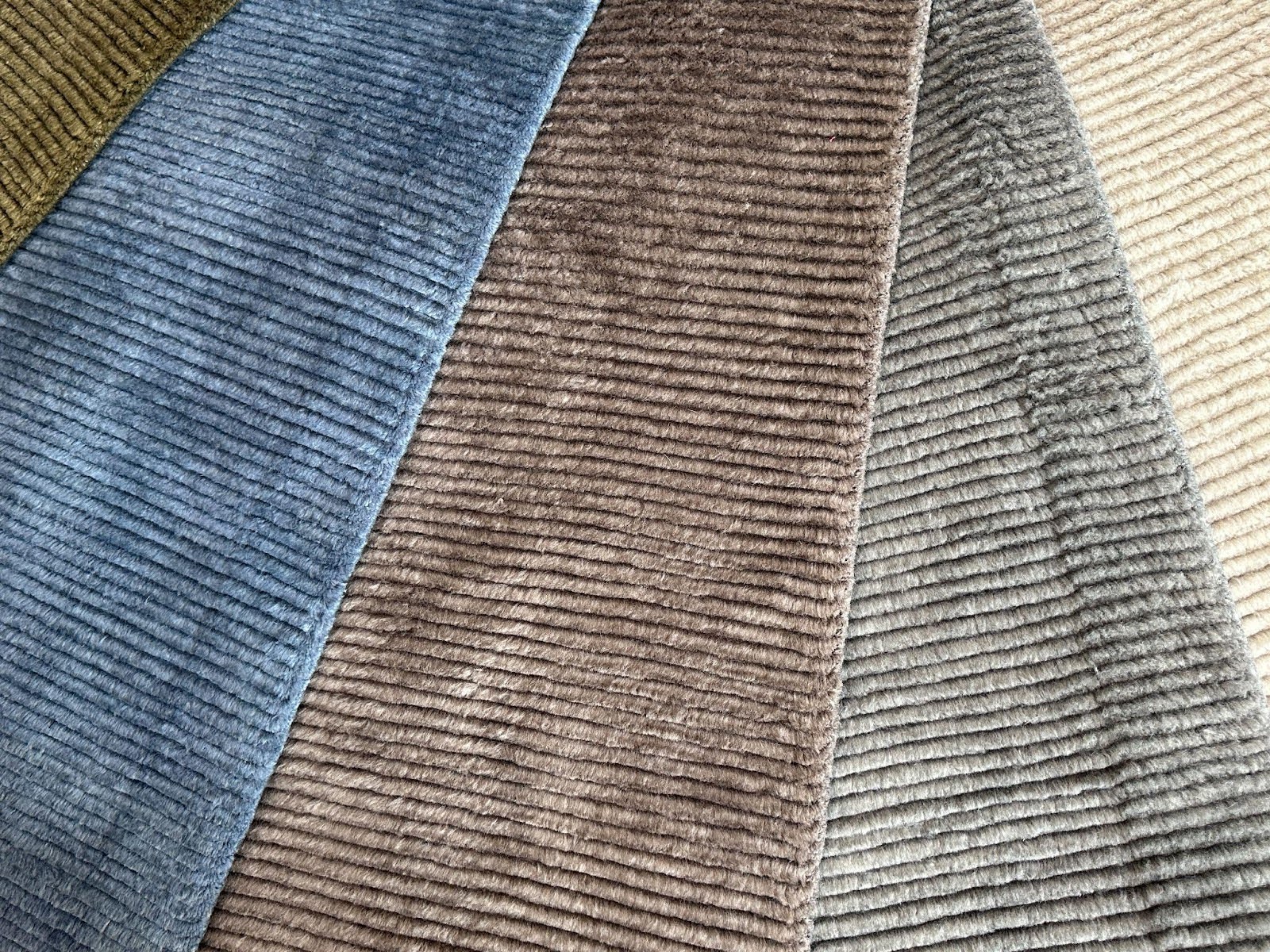
James Mohaber: One design that I’m excited about is actually the plain and solid design rugs, especially the ones that incorporate mohair wool. If you’ve ever wanted to know what it feels like to work on clouds, this is the rug that does it for you.
AJ: What was the last book you read and how did it inspire you?
JM: The last book I read was Think and Grow Rich by Napoleon Hill. It really transformed my way of thinking into something more outside of the standard box. It’s nice to read stories of people who were really determined, kept thinking positively, overcame challenges, and wouldn’t take no for an answer.
AJ: How do you keep up with the latest design trends?
JM: Simply put, we stay connected with designers. We ask them questions, we stay engaged, and we get their feedback. When designers come in, we obviously try to match what they’re looking for, what the demands are. Being a direct importer of rugs and thereby skipping the middleman, we have the ability to communicate directly with the manufacturer and oversee the quality and process of manufacturing.
AJ: How do you incorporate sustainability into your designs?
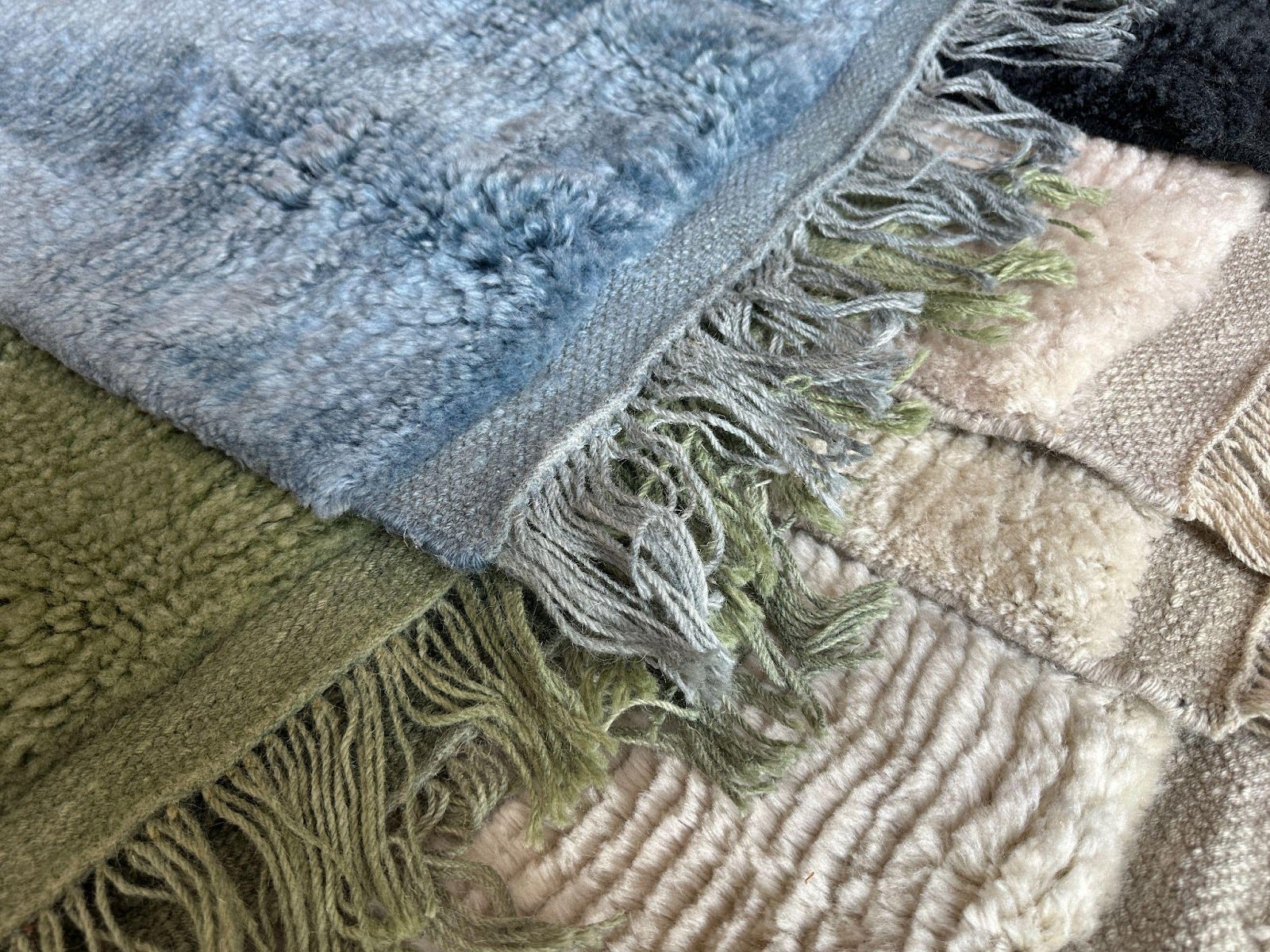
JM: When you buy a handmade rug, yes, it’s more expensive, but it lasts you ten, fifteen, even twenty years with proper care and maintenance. Compare this to machine-made rugs, some of which are not just cheap, but dirt cheap. So, what happens is that every two or three years you’re throwing that rug away. You can imagine what it’s doing to the landfills.
We also use high-quality materials like New Zealand wool, and that really helps in the long run. Instead of buying three rugs, four rugs, five rugs, you’re buying one rug which lasts and stays beautiful.
AJ: What’s the weirdest thing a client has ever asked you?
JM: The weirdest question or request I had from a client was if you can throw a handmade rug in the washing machine, in which the answer is obviously not.
AJ: What would your dream project or dream client be right now?
JM: To be honest, given my love and passion for this business, every client is of significance to me. If a client walks in and they want to 5×7, we give them the same attention and dedication as a client who walks in and wants at 10×14. So, I don’t really have favorites because every client is number one.
AJ: What is your favorite design trend from the past?
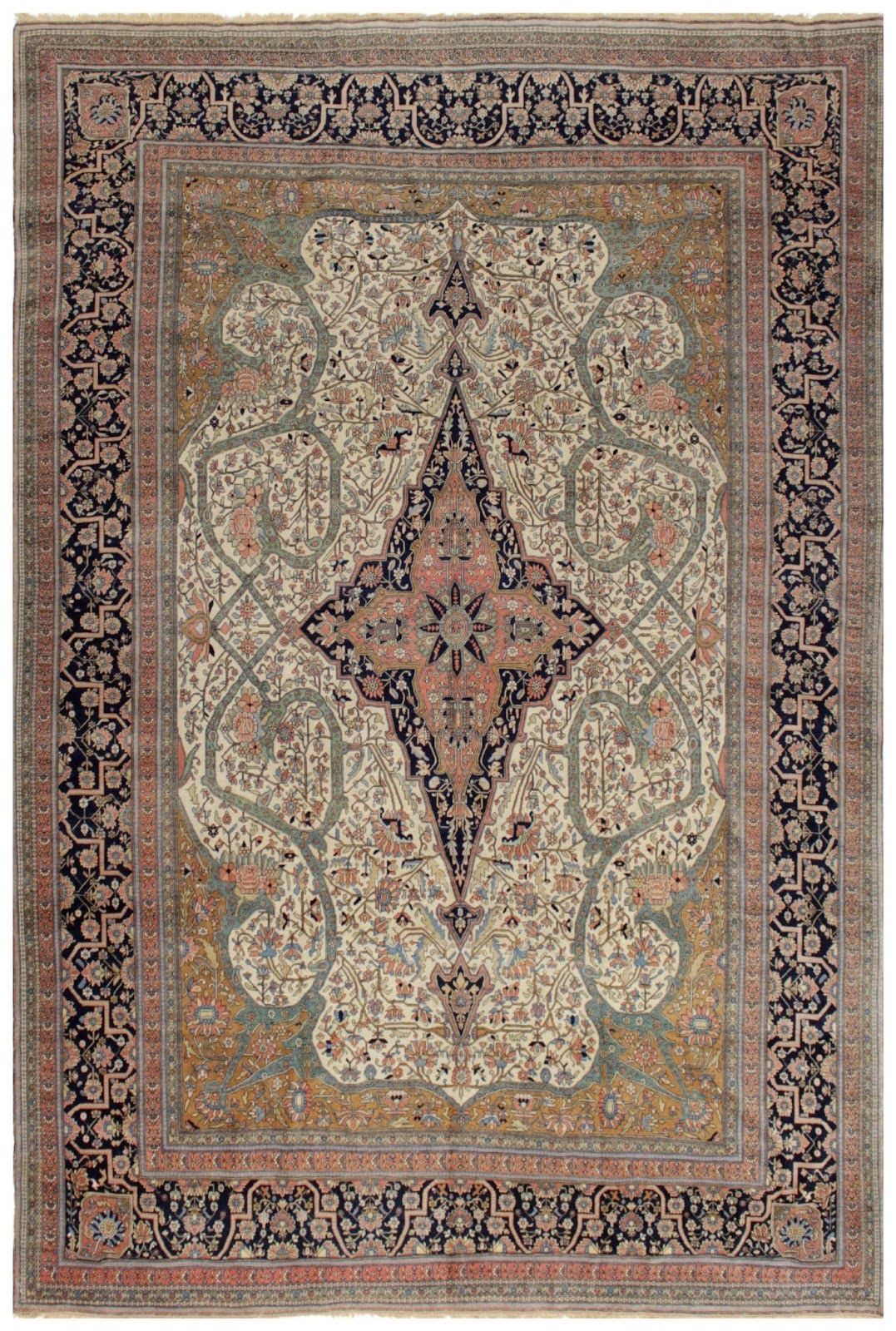
JM: My favorite design trends from the past are what I call antiques and collectibles. You have your regular modern rugs, which have been around for many years, traditionals and transitionals, and then you have your antique rugs which could be eighty, ninety, or even one hundred years old.
However, there is a class of rugs out there that the majority of consumers don’t know about because they are truly antique and collectible. They’re so rare that really only collectors know about them. What makes them unique is their everlasting beauty. The people who wove these rugs by hand are no longer around, and the skill these artisans had was unfortunately never passed on. There are people making rugs every day today, but this is a whole different level of artisans and weavers. These rare antiques and collectibles that I talk about, you can only distinguish them by really being a rug maven and having been in the industry for a double-digit number of years.
AJ: How do you incorporate art into your designs?
JM: It’s easy to include artistry into interior design with handmade rugs. Each thread is handwoven, each color carefully chosen, and each section sheared down to perfection. When you look at the skill and craft involved, it’s clear to see that a rug is just as much an art piece as any painting or sculpture.
AJ: What is your favorite design trend currently?
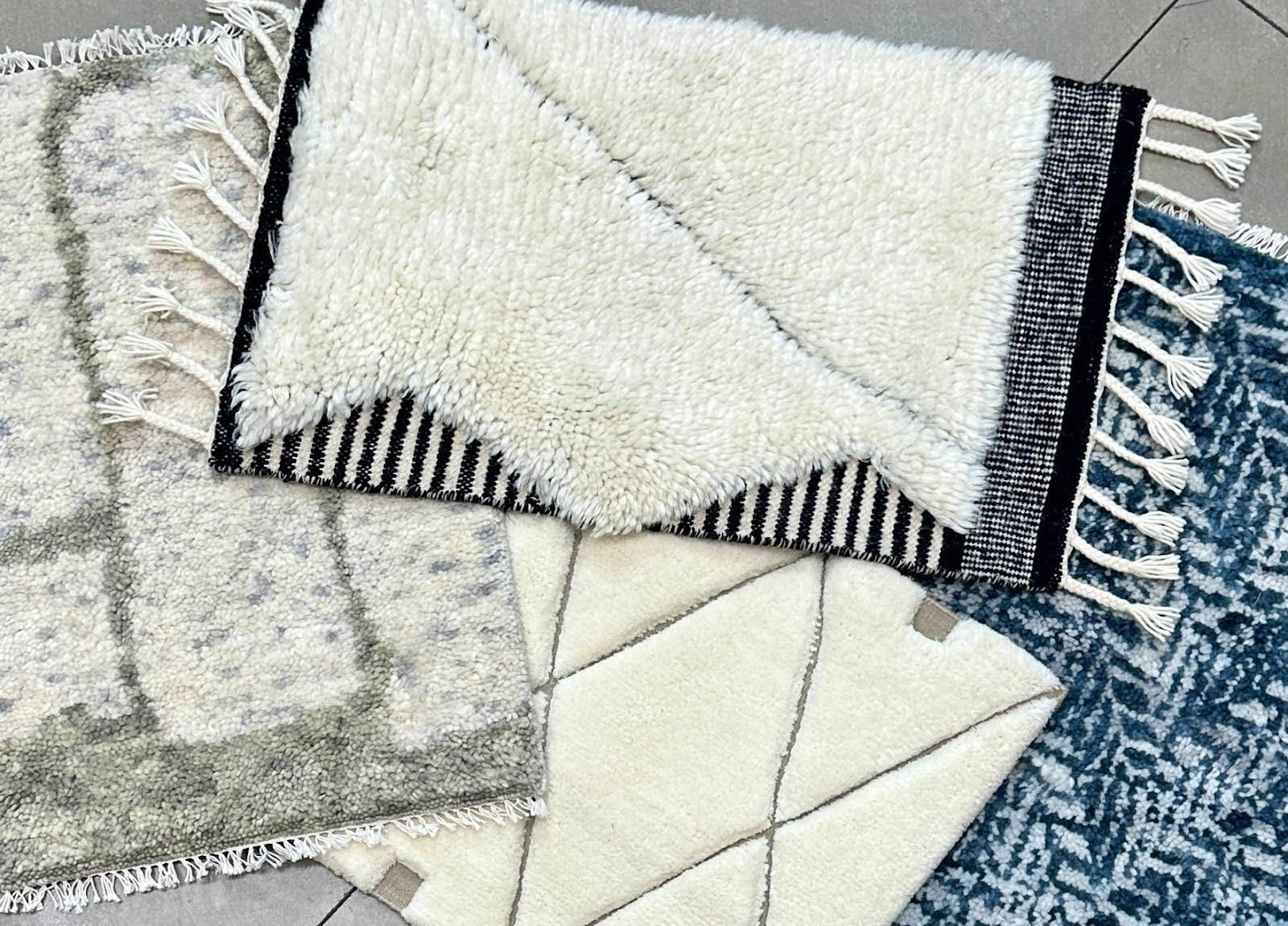
JM: Right now, my personal favorite design tends to be the really plush rugs. A lot of them come in a Moroccan design, some come in a modern design, even solid, but basically the plush look is very attractive. It’s very nice to walk on. It’s very soft at the touch, and I’m really gravitating a lot towards that.
AJ: Best advice you’d give your teenage self?
JM: Travel, travel, travel. There is so much beauty in this world that it’s a shame not to explore it. No matter what your interest is—antiques, architecture, fashion, design—see the world. Expand your mind and get out there and experience different foods, cultures, and ways of life.
Like what you see? Get it first with a subscription to aspire design and home magazine.