
 John Vigeland is the former CFO and co-founder of East Fork, a dinnerware manufacturing company based in Asheville, NC. In 2009, he moved to North Carolina to serve a 3-year apprenticeship with a traditional potter in the Piedmont. Through that apprenticeship, he met Alex and Connie Matisse, and in 2013, they combined their efforts to found East Fork. After 10 years as CFO, John stepped down from the role to get back to hand-throwing traditional pottery. In 2025, John released his first form through the East Fork Workshop — the brand’s small-batch, wheel-thrown program — The Pitcher. Learn more about John’s return to hand throwing in today’s Maker Monday.
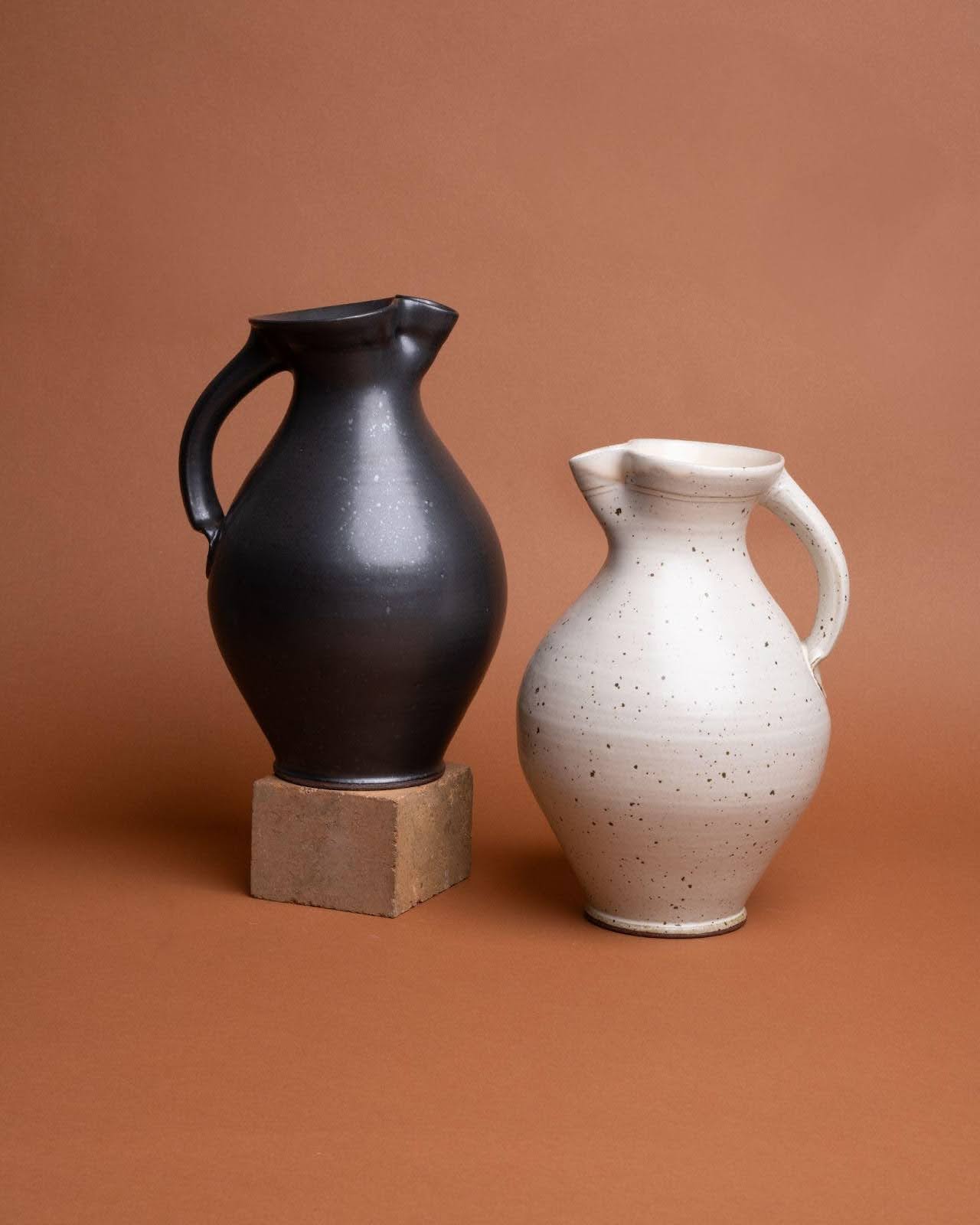
The Pitcher marks co-founder John Vigeland’s return to hand-thrown pottery and his first collaboration through the East Fork Workshop.
Andrew Joseph: Can you describe a project that you’re particularly proud of?
John Vigeland: The creation and growth of East Fork as a whole has been my main project over the past 10 years, and I am quite proud of the results so far. It’s wild to go back and read through early letters Alex and I exchanged where we were sharing visions of what could be possible and looking around now to see how much of that has come to pass. It started with the hypothesis that the traditional North Carolina pottery we had trained to make could appeal to a wider audience if we pared down some of the folksier, vernacular details while retaining the fundamental concepts of form and function. We wanted to grow something that could include a lot of people.
AJ: What’s the best piece of advice you’ve received as a designer?
JV: I don’t really conceive of myself as a designer. Studying in a traditional apprenticeship, you become something closer to a performer of classical music, or maybe rootstock onto which a particularly loved old apple variety is grafted. You learn to replicate traditional shapes, and as you gain mastery over technique, you can start to worry about bringing more color or nuance to the sheet music you’re reading from. So advice-wise — maybe the big eye opener for me was just being introduced to this other approach to creating, one that de-emphasized the individual and “creativity” in the favor of a slower, intergenerational process.
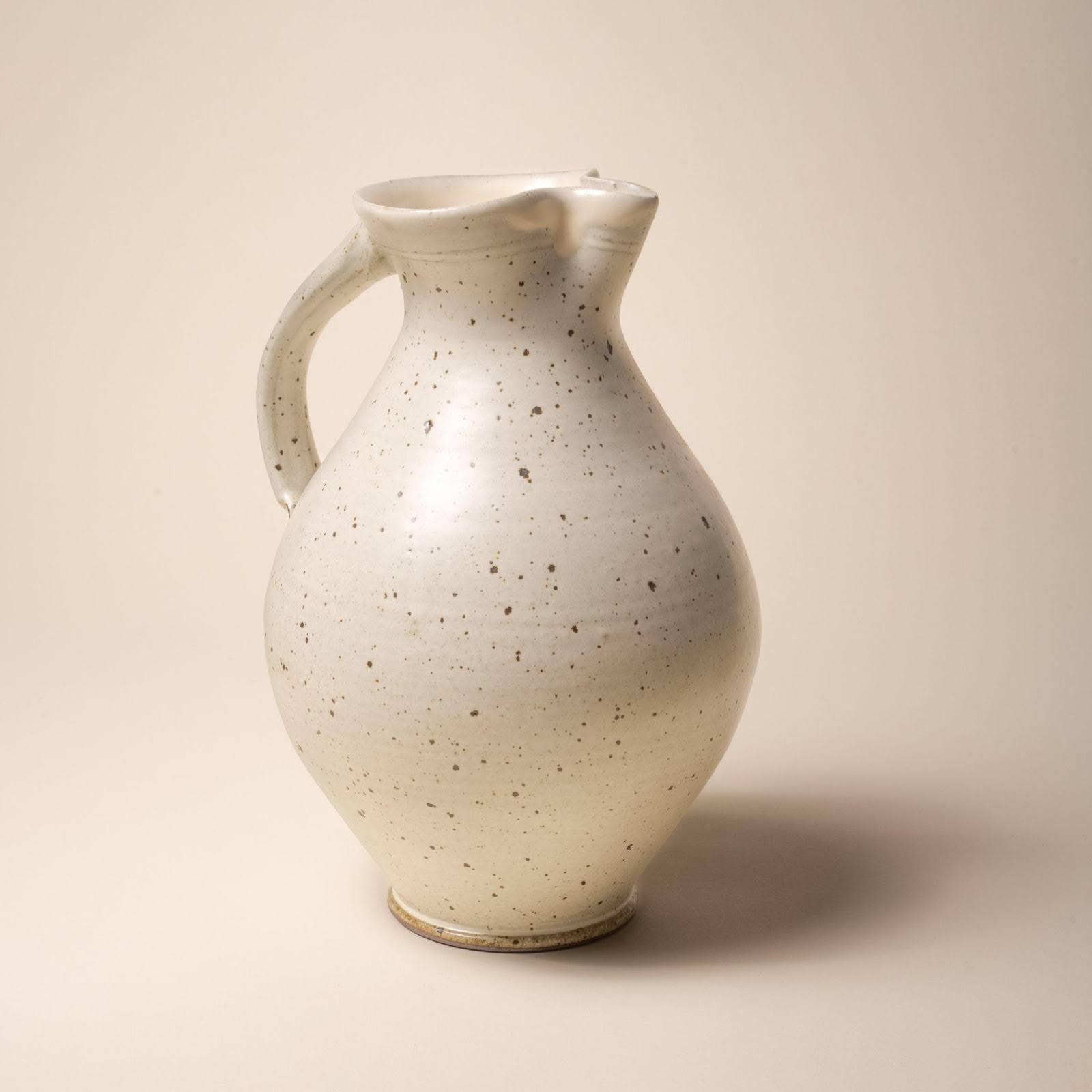
The Pitcher’s form, rooted in North Devon earthenware and Southeastern American jug traditions, was first learned during John and Alex’s apprenticeships with Mark Hewitt.
AJ: What was the last book you read and how did it inspire you?
JV: The last spell of organized reading I did was going through all of Annie Dillard’s writing. I think “For the Time Being” is my favorite. Her earnestness in the pursuit of truth, the precision of her observations, and the vastness of her scope make for a pretty mystical reading experience. You can’t help but feel an urge to look closer, read more widely, and take things more seriously after one of her books.
AJ: What is your favorite place to find inspiration?
JV: One thing I learned from my mentor: the space that you make the work in should reflect the design principles of the work you make; that your surroundings, consciously or not, get into your “eye” and affect how you see and make. So I’ve tried to carefully build out the studio space and kiln shed in a way that holds that in mind.
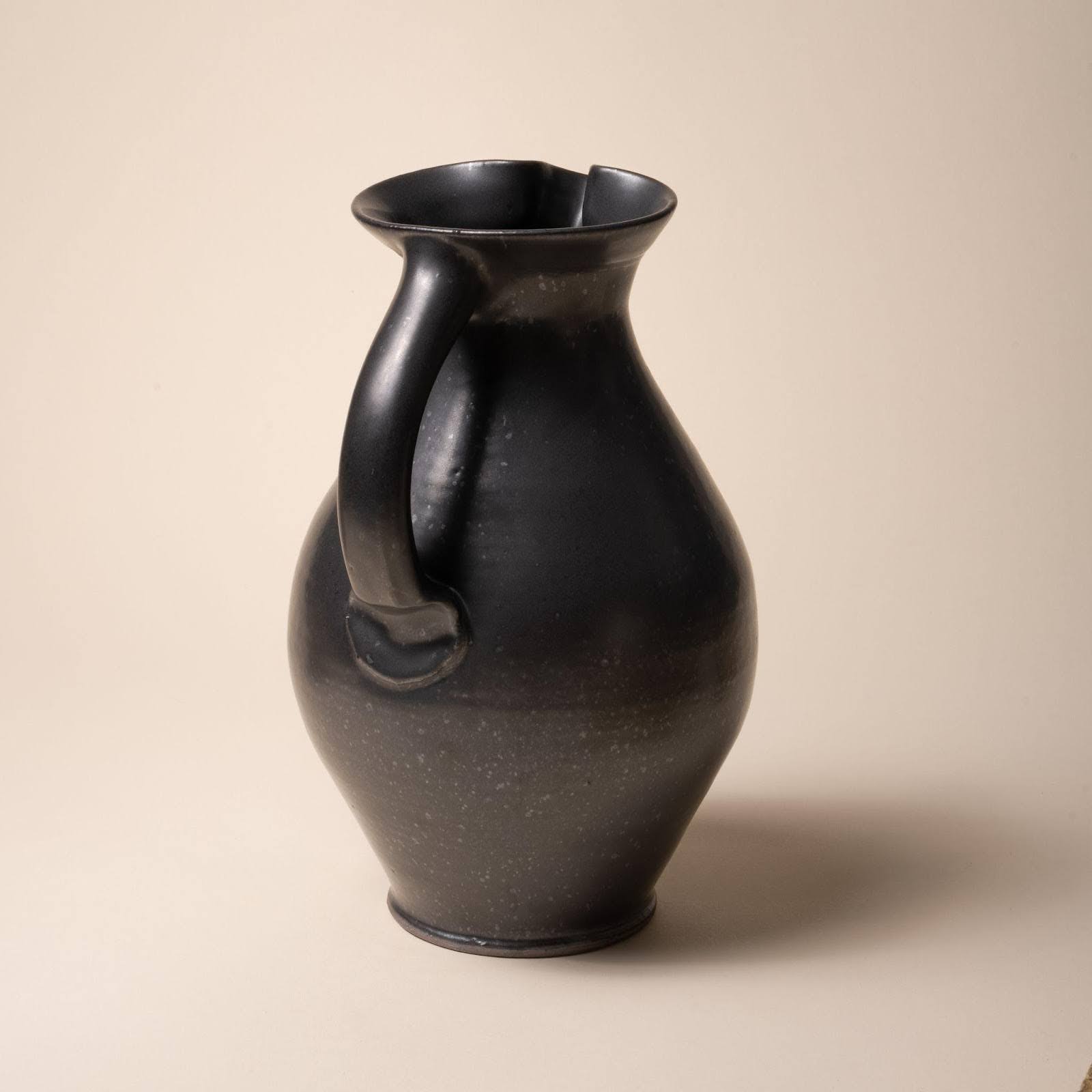
Whether holding cold water, a splash of moonshine, or simply catching light on the mantle, this pitcher brings old traditions into new beginnings.
AJ: What is your favorite aspect of your job?
JV: It’s an outrageous privilege to get to focus such a majority of my time and energy on this one selfish pursuit. Bonkers really. To get to practice a particular skill for the purpose of getting good at it — what better simple pleasure could you ask for? It’s probably all the Annie Dillard talking, but making this big run of pitchers had me feeling like some medieval anchorite, locked in my studio/cabin, repeating the same prayer over and over for 8 hours a day. I love it.
AJ: What’s a new hobby/skill that you have learned recently?
JV: Grafting fruit trees! It’s such wacky alchemy that you can cut up and piece together two different trees, and they will merge into one another and live their whole life that way.
Like what you see? Get it first with a subscription to aspire design and home magazine.